Unprecedented dinosaur trackways unveiled in Bolivia’s Carreras Pampas
Over 16,000 fossilized footprints unearthed in Bolivia present a vivid glimpse into the movements of theropod dinosaurs from over 100 million years ago. These tracks, preserved along an ancient shoreline, offer rare insights into how these predators navigated their environment during the late Cretaceous period.
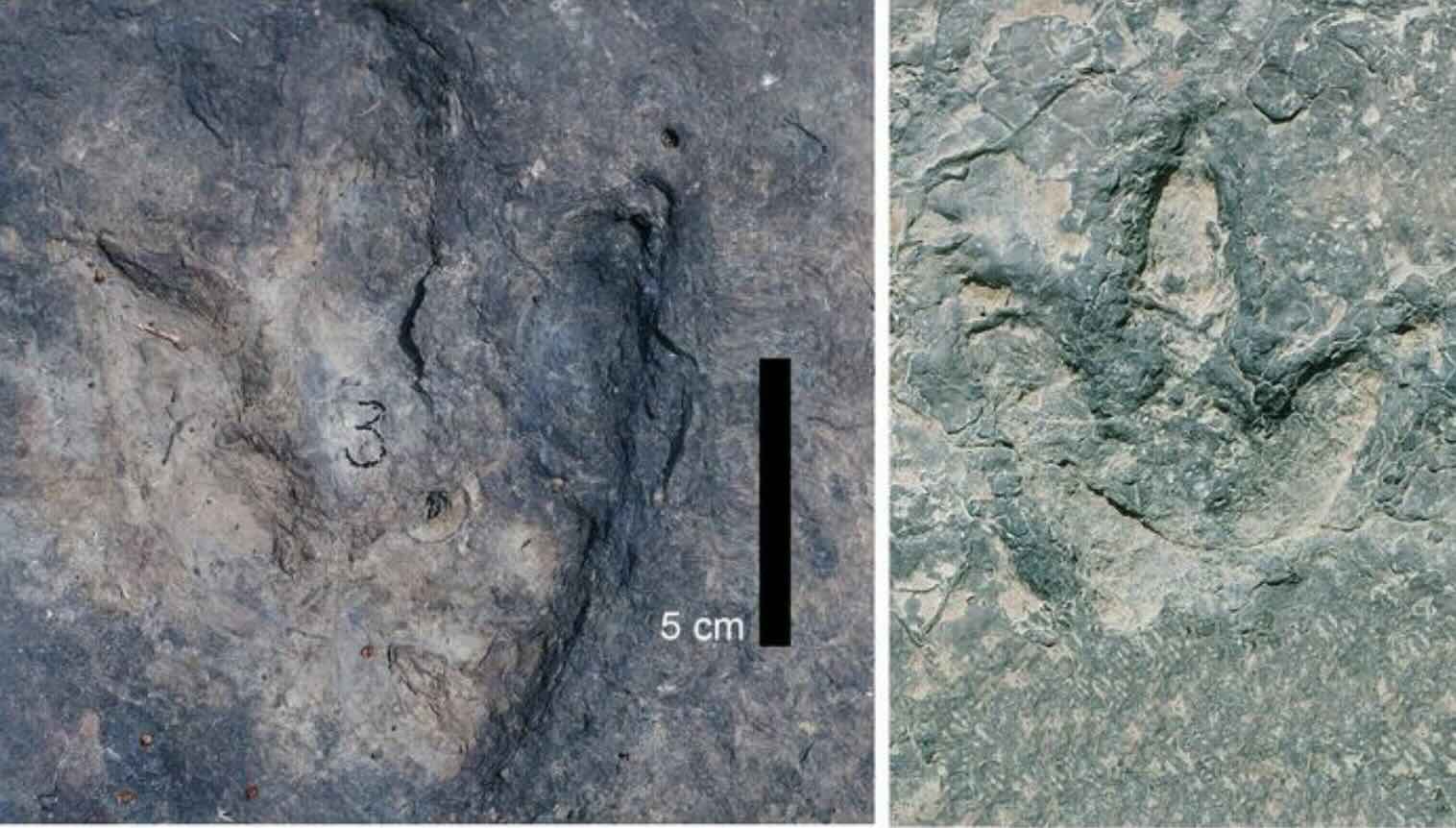
The Carreras Pampas site, situated within Bolivia’s Torotoro National Park, has revealed an extraordinary concentration of theropod footprints, with scientists recently identifying 16,600 impressions. This number exceeds any previously recorded tracksite in terms of sheer volume. The preserved tracks cover approximately 80,570 square feet (7,485 square meters) and include both isolated prints and continuous trackways, which trace the paths of individual animals. The study, published in PLOS One, represents the first detailed scientific survey of this remarkable site.
A busy dinosaur thoroughfare
Paleontologists refer to Carreras Pampas as a “dinosaur freeway,” where theropods repeatedly traversed through soft, deep mud between 101 million and 66 million years ago. It is suggested by researchers that the tracks, primarily oriented in north-northwest and southeast directions, were created over a relatively brief timespan, signifying that this region served as a commonly used passageway for these carnivorous dinosaurs. This dense collection of tracks implies a broader network of movement that might have spanned parts of Bolivia, Argentina, and Peru.
The size and spacing of the footprints reveal diverse behaviors. Some theropods moved leisurely along the muddy shoreline, while others sprinted, leaving longer, deeper impressions. Remarkably, over 1,300 tracks show evidence of swimming, with the middle toe pressing more deeply into the mud while the other toes and heel left lighter marks. These details offer a unique view into how dinosaurs interacted with water and navigated their surroundings.
Insights from footprint dimensions
Analysis of footprint dimensions indicates a wide range of theropod sizes, with estimated hip heights from about 26 inches (65 centimeters) to more than 49 inches (125 centimeters). Some trackways even include drag marks from tails, which further illuminate the animals’ movements. In addition to the theropod tracks, researchers documented several hundred footprints from birds that shared the shoreline, providing a glimpse into the broader ecosystem of the time.
“The tracks offer a comprehensive account of movement and surroundings,” stated Dr. Peter Falkingham, a paleobiology professor at Liverpool John Moores University, who did not participate in the study. “Deeper impressions document the foot’s motion in ways that skeletal remains cannot, unveiling gait, posture, and interactions with the substrate.”
Swimming tracks, for example, contrast significantly with walking tracks, as buoyancy changes the way toes sink into the mud. These nuanced differences assist paleontologists in piecing together behaviors that bones alone fail to reveal. Dr. Jeremy McLarty, a coauthor of the study, remarked, “Tracks are a testament to soft tissues, movements, and the habitats where dinosaurs truly existed. Carreras Pampas revives these vanished ecosystems.”
Evaluating pathways throughout Bolivia
Although Carreras Pampas has been recognized for its dinosaur footprints since the 1980s, the extent and concentration had never been systematically examined. Bolivia features numerous tracksites from the Triassic, Jurassic, and Cretaceous periods, establishing it as one of the most abundant regions globally for dinosaur trackways. Before the Carreras Pampas survey, the most productive site was Cal Orck’o in Sucre, which contains approximately 14,000 tracks from around 68 million years ago.
The predominance of theropod footprints at Carreras Pampas raises questions about the ecosystem dynamics of the time. Unlike sauropods, which traveled in herds, theropods were typically solitary predators. This tracksite, dominated by carnivorous dinosaurs, may indicate localized hunting grounds or a migration route heavily trafficked by these agile hunters. McLarty emphasized, “When you start comparing across sites, you can begin to see patterns of dinosaur movement on a continental scale.”
Insights from trackways that fossils alone cannot provide
Unlike skeletal fossils, which might be relocated from their initial spots post-mortem, trackways offer a direct glimpse of life in action. “A skeleton indicates what an animal was capable of; trackways reveal what it truly did,” stated Dr. Anthony Romilio, a research associate at the University of Queensland. Trackways record speed, direction, turning behavior, slipping, posture, and, occasionally, group interactions.
The Carreras Pampas site is particularly significant because it preserves a variety of theropod sizes, which may represent multiple species or age groups. The abundance and diversity of footprints offer insights into population structure, predator-prey dynamics, and how different species shared the same habitat. The tracks also provide evidence of repeated use over time, suggesting that this shoreline was an important corridor within the Cretaceous landscape.
Implications for paleoecology
By examining footprint depth, shape, and spacing, scientists can infer not only dinosaur size and behavior but also the characteristics of the substrate and the environmental conditions at the time. The soft, deep mud preserved at Carreras Pampas captured subtle details such as foot rotation, claw marks, and tail drags, all of which illuminate how these animals moved through their environment.
These discoveries have wider implications for comprehending the ecology of late Cretaceous South America. They assist in reconstructing predator-prey dynamics, shoreline utilization, and even possible seasonal trends in dinosaur migration. Moreover, the blend of theropod and avian tracks offers a more comprehensive view of the Cretaceous ecosystem, emphasizing the interaction between large predators and smaller species that coexisted.
Maintaining a glimpse into history
Carreras Pampas demonstrates the power of trackways to preserve moments of prehistoric life in a way that bones alone cannot. Visitors to the site stand literally where dinosaurs once walked, leaving behind a record of motion frozen in time. McLarty noted, “Tracks don’t move. When you visit Carreras Pampas, you know you are standing where a dinosaur walked.”
The sheer number and diversity of footprints make this site a valuable resource for ongoing research. Future studies may compare Carreras Pampas with other Bolivian sites to understand regional patterns of dinosaur behavior and movement. By mapping and analyzing these trackways, scientists can better grasp how theropods navigated landscapes, hunted, and interacted with both conspecifics and other species.
Moreover, the site underscores the importance of preserving fossil trackways, which offer irreplaceable insight into ancient life. Each footprint represents a fleeting moment from millions of years ago, capturing the dynamics of extinct creatures in a way that skeletal remains cannot.
The Carreras Pampas tracksite in Bolivia provides an extraordinary record of theropod activity and behavior, revealing the movements, sizes, and interactions of dinosaurs on an ancient shoreline. These fossilized footprints are more than just impressions in stone—they are vivid snapshots of prehistoric life, offering scientists and the public alike a rare opportunity to witness the Cretaceous world as it once existed. The detailed analysis of these tracks not only enhances our understanding of dinosaur ecology but also enriches the global picture of how these iconic predators shaped and navigated their environments millions of years ago.