
When Tesla first introduced the Cybertruck to the world, it sparked an enormous wave of attention, curiosity, and debate. Its futuristic design, bold promises, and the reputation of Elon Musk and Tesla combined to create a level of hype rarely seen in the automotive industry. Many envisioned the Cybertruck as a groundbreaking entry into the highly competitive pickup truck market, poised to disrupt traditional manufacturers and revolutionize how we think about utility vehicles. Yet, despite this initial excitement, the Cybertruck has struggled to meet expectations and capture the widespread success that many had predicted.
Numerous elements contribute to understanding why the Cybertruck’s transition from idea to production has experienced various hurdles, postponements, and an underwhelming response from the general market.
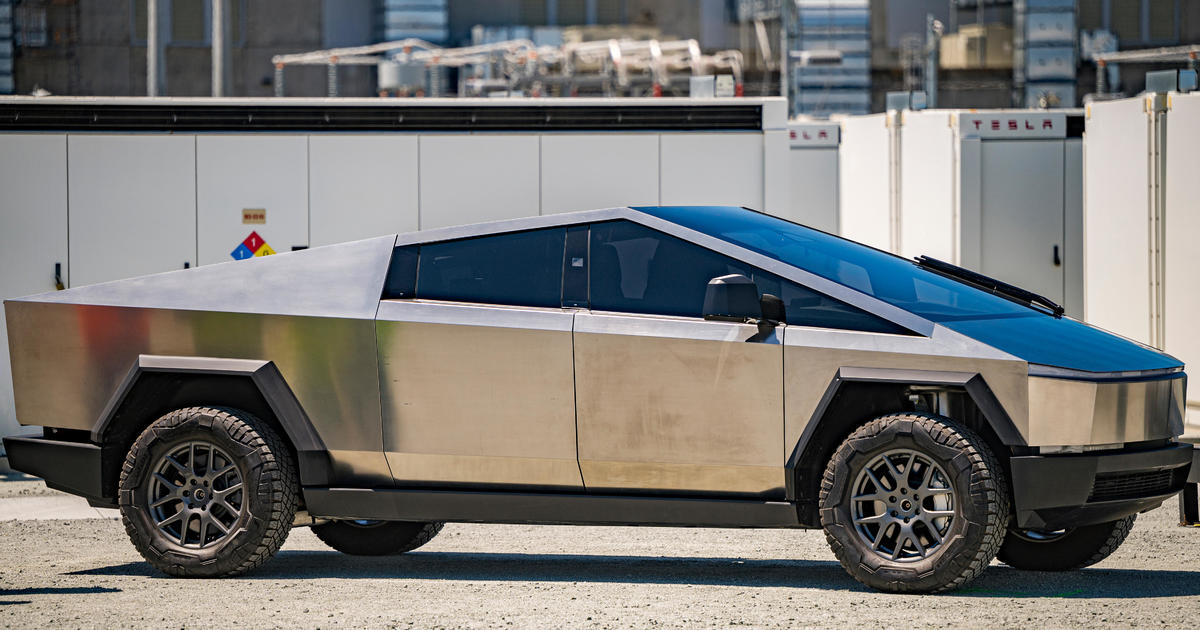
One of the most immediately noticeable aspects of the Cybertruck is its design. With sharp geometric lines, a stainless-steel exterior, and an angular silhouette, the Cybertruck looks unlike anything else on the road. While some praised its bold departure from conventional aesthetics, many potential buyers and automotive enthusiasts found the design off-putting or impractical. The unconventional look, though intended to signal innovation, may have inadvertently limited its appeal to a niche audience rather than the mainstream truck-buying public.
Design preferences aside, practical factors have also significantly influenced the reduced excitement surrounding the Cybertruck. Pickup vehicles are valued for their adaptability, strength, and capability to manage various tasks, such as towing and off-road excursions. For numerous conventional truck enthusiasts, the Cybertruck’s unproven performance in everyday situations, along with its atypical size, generated doubts about its ability to genuinely rival well-known models from Ford, Chevrolet, and Ram.
Adding to these worries are the manufacturing setbacks that have troubled the Cybertruck since it was revealed. Initially introduced with optimistic schedules, the vehicle has encountered multiple hold-ups, with Tesla pointing to supply chain issues, design revisions, and production difficulties. These interruptions have not only disappointed enthusiastic buyers but have also given rivals the opportunity to enhance their own electric truck models, like the Ford F-150 Lightning and Rivian R1T, both of which have gained popularity in the market.
Another key issue lies in the Cybertruck’s pricing. Early announcements suggested that the vehicle would be competitively priced, making it an accessible option for a broad range of consumers. However, as production neared, it became clear that the actual price points would be significantly higher than initially projected. This shift in affordability has likely alienated some prospective buyers who were drawn to the idea of an electric truck but found the costs prohibitive.
The electric vehicle sector has undergone changes since the initial unveiling of the Cybertruck. Back in 2019, when Tesla showcased its concept, there were barely any electric trucks available. Fast forward to the present, and the market is significantly more competitive, with traditional manufacturers and newcomers both offering electric trucks that meld classic designs with advanced technology. This increase in competition has lessened the ability of the Cybertruck to differentiate itself solely on its innovative nature.
Consumer choices within the truck category often vary greatly compared to the passenger car industry, a market where Tesla has traditionally succeeded. Individuals purchasing trucks frequently value practicality, dependability, and durability more than cutting-edge design and advanced technology. Although Tesla’s name is associated with groundbreaking technology and efficiency in the electric vehicle sector, it has faced challenges in adapting that image to the conventionally traditional and brand-loyal truck sector.
Additionally, the Cybertruck’s extensive dependence on experimental materials, including its stainless-steel exterior, posed fresh obstacles in manufacturing and safety evaluations. Producing large quantities with these materials differs significantly from creating prototype models or limited editions. Sources have suggested that modifying production lines and meeting safety standards have resulted in persistent delays and unpredictability.
Another factor that has affected the Cybertruck’s disappointing sales is the overall economic climate. Financial instability, rising prices, and changing consumer spending habits have made expensive items like luxury electric trucks less appealing to numerous buyers. Moreover, variations in energy costs, discussions about charging infrastructure, and persistent worries about battery range have contributed to the reluctance among prospective customers.
The role of public perception and media coverage cannot be overlooked either. While initial reactions to the Cybertruck’s unveiling ranged from enthusiastic to bewildered, the subsequent years have seen a gradual cooling of the public’s excitement. Negative press around delays, missed deadlines, and the often controversial social media presence of Tesla’s CEO have also played a role in diminishing the vehicle’s once-sparkling image.
Although there have been challenges, it’s essential to recognize that the Cybertruck’s journey is ongoing. Tesla has consistently shown the ability to persevere amid criticism and skepticism. The company’s past is filled with instances of overcoming early doubts, as demonstrated by the success of the Model S and Model 3, which thrived despite facing initial obstacles.
To ensure the Cybertruck’s success, Tesla will probably have to tackle a few important obstacles: fulfilling production promises, enhancing the design to attract a wider audience, offering competitive prices, and delivering the reliability and performance that conventional truck consumers anticipate. Furthermore, as the infrastructure for electric vehicles grows and battery advancements progress, some existing hurdles to adoption might gradually lessen over time.
The impact of government policies and environmental regulations could also shape the Cybertruck’s future prospects. As countries push toward greener transportation and impose stricter emissions standards, electric trucks may become increasingly attractive not just as alternatives but as necessities for certain consumers and industries.
Ultimately, the Cybertruck’s less-than-stellar reception highlights the complex dynamics at play when introducing a radically new concept into an established market. Innovation alone is not always enough to guarantee success, particularly when customer expectations are deeply rooted in tradition and practicality. The Cybertruck represents a bold vision for the future of mobility, but turning that vision into widespread adoption requires careful attention to the realities of the market, consumer behavior, and competitive pressures.
While it is too soon to write off the Cybertruck entirely, its journey so far serves as a reminder that even the most ambitious innovations can falter without the right combination of execution, timing, and market alignment. Whether Tesla can pivot, adapt, and eventually fulfill the Cybertruck’s original promise remains one of the more intriguing questions in the evolving world of electric vehicles.
In light of the automotive sector’s ongoing shift towards sustainability and electric vehicles, the experiences gathered from the Cybertruck’s obstacles might shape not only Tesla’s upcoming creations but also the wider approaches of businesses aiming to transform transportation. At present, nonetheless, the Cybertruck serves as a reminder of how ambition and actuality can occasionally differ, even for the most acclaimed creators.