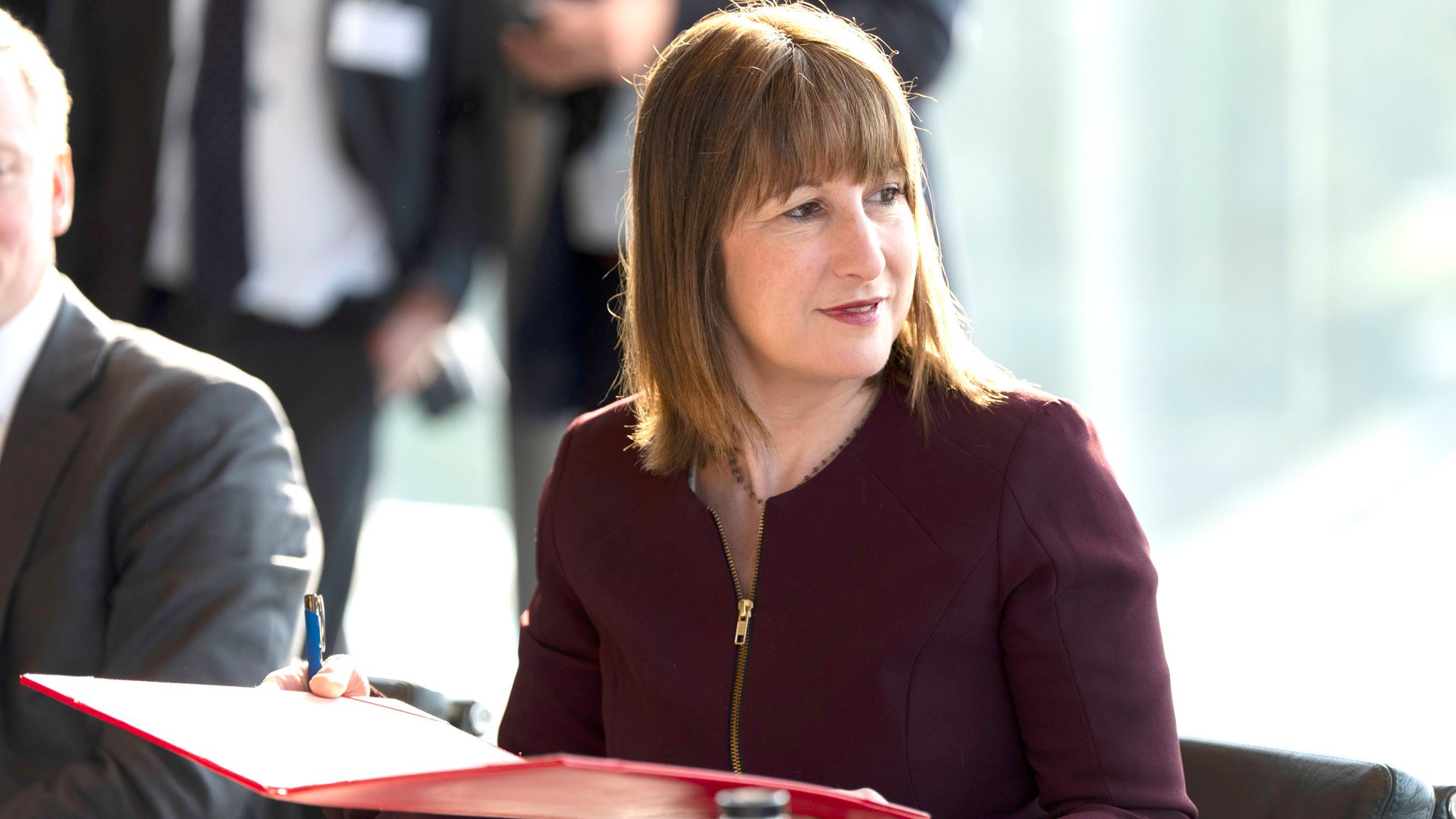

Public borrowing in the United Kingdom has increased beyond anticipated levels, adding extra fiscal stress on Chancellor Rachel Reeves as she attempts to steer through a complex economic environment. With borrowing numbers surpassing earlier predictions, the government is once again under pressure regarding how it will fulfill its expenditure obligations while keeping market trust and advancing growth-focused strategies.
According to the latest data from the Office for National Statistics (ONS), public sector net borrowing in recent months has exceeded projections made by the Office for Budget Responsibility (OBR). The figures reflect a combination of factors, including higher debt interest payments due to persistent inflation, slower-than-anticipated tax receipts, and ongoing spending demands across key public services.
This situation poses a significant challenge for Chancellor Reeves, who took on her position with commitments to uphold financial discipline while enhancing national infrastructure, boosting public services, and tackling persistent economic disparities. As borrowing costs increase and economic growth forecasts stay limited, the potential for additional spending projects might be more restricted than originally anticipated.
The increase in borrowing comes at a time when financial markets are especially sensitive to government debt levels. In the wake of previous fiscal turbulence and global economic uncertainty, investors and credit rating agencies are closely monitoring the UK’s fiscal stance. The new figures are likely to prompt further questions about the government’s ability to deliver on its pledges without resorting to tax increases or spending cuts.
Chancellor Reeves has consistently emphasized her commitment to responsible budgeting, frequently citing the importance of restoring credibility in economic governance. She has pledged to adhere to a strict set of fiscal rules, including reducing the national debt as a share of GDP over the medium term. However, the latest borrowing figures suggest that achieving this target may be increasingly difficult without policy adjustments.
Simultaneously, the increase in revenue hasn’t aligned with forecasts. Although certain tax collections have remained strong, others—especially those related to spending and corporate earnings—have fallen short of projections. This mirrors the larger economic landscape, where consumer confidence is still shaky and corporate investments haven’t entirely bounced back after years of uncertainty due to Brexit, pandemic disruptions, and international supply chain issues.
Despite these headwinds, Chancellor Reeves has reiterated her intention to protect public services and support economic development. Investment in areas such as green energy, transportation infrastructure, and education remains central to the government’s agenda. Yet the growing mismatch between revenue and expenditure may force a reconsideration of the pace and scale of such initiatives.
Political commentators observe that the chancellor’s situation is made more challenging by the public’s demand for better services and improved living conditions. Following a long phase of austerity and stagnant real income, there is substantial pressure on the administration to provide concrete advantages to citizens. Balancing this requirement with financial prudence will necessitate careful prioritization and possibly tough compromises.
The borrowing figures also feed into broader debates about tax policy. While Chancellor Reeves has ruled out increases to headline rates of income tax, VAT, and national insurance, the rising deficit may prompt a closer look at other revenue-raising measures. Potential areas of focus include tightening tax compliance, reviewing reliefs and exemptions, and reassessing corporate taxation frameworks.
Market reactions to the borrowing data have so far been measured, though analysts caution that persistent fiscal slippage could affect investor sentiment. The strength of the pound, government bond yields, and the UK’s credit outlook will all be influenced by perceptions of fiscal sustainability and the effectiveness of the government’s economic management.
In Parliament, opposition parties have seized on the borrowing figures to question the government’s economic strategy. Critics argue that the current fiscal trajectory undermines efforts to build a fairer, more inclusive economy and risks repeating past mistakes of underinvestment and short-termism. In response, Treasury officials have stressed that the borrowing increase is manageable and reflects temporary pressures rather than structural weaknesses.
Taking a forward view, the upcoming financial report will be a pivotal point for Chancellor Reeves. It is anticipated that she will explain how the government plans to align its policy goals with the actual state of public finances. This is likely to encompass adjusted economic predictions, refreshed debt estimates, and information about spending priorities.
The finance minister encounters the challenging responsibility of preserving economic trust while fulfilling political commitments. As debt levels increase and financial flexibility becomes limited, the decisions in the upcoming months will define the UK’s economic path for the foreseeable future. The manner in which the government addresses these issues will impact not only public trust but also the nation’s enduring growth, investment, and the overall social and economic structure.
As the strain from tax demands grows, finding equilibrium between aspirations and budget constraints is more essential than ever. Chancellor Reeves now faces the challenge of steering a course that satisfies market confidence, fulfills public needs, and prepares the UK for a steady economic rebound amid global unpredictability.