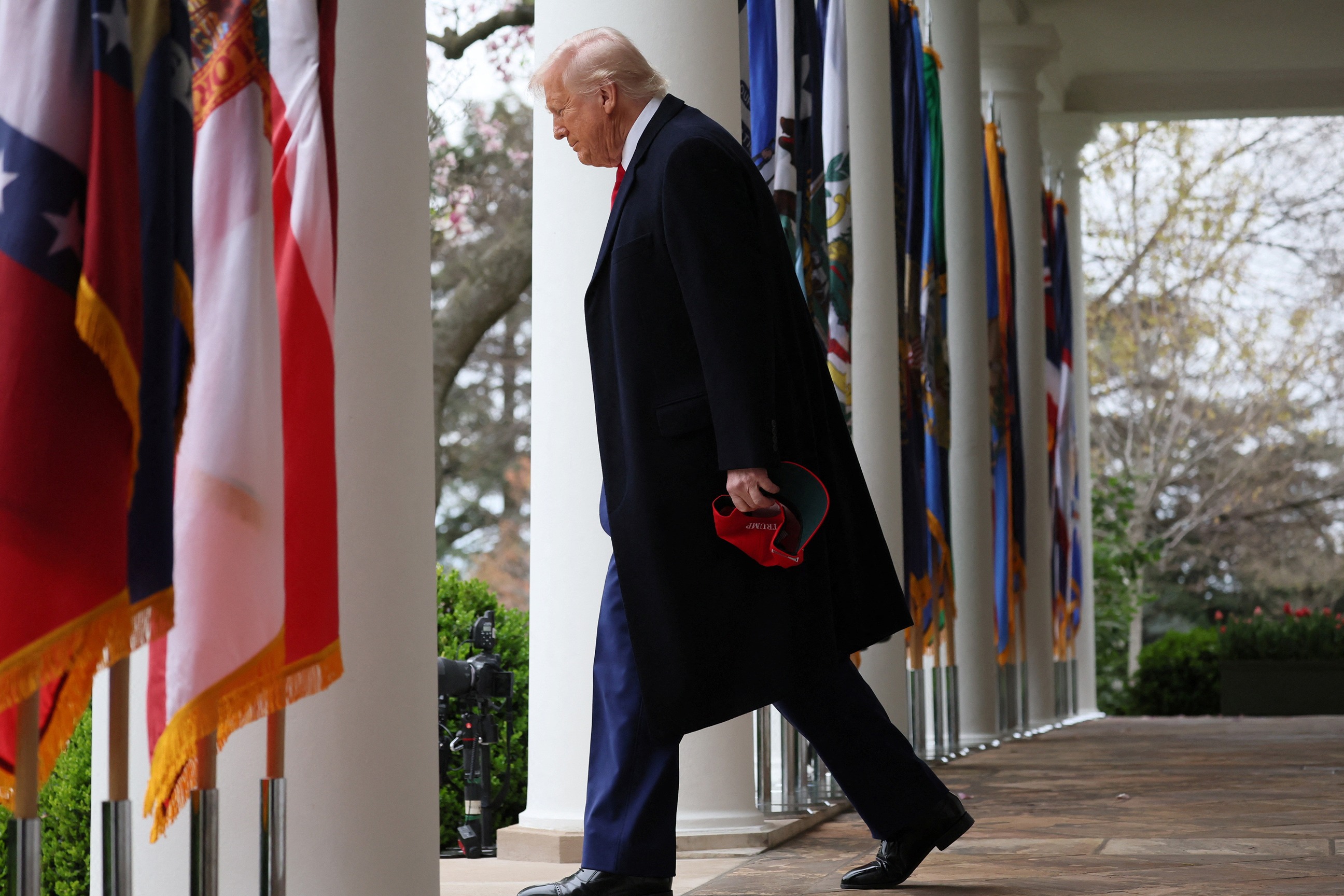

The conversation around international trade and tariffs has once again come into sharp focus as discussions about former President Donald Trump’s trade policies continue to reverberate across global markets. With ongoing debates about tariffs on imports from major trading partners, including China, the European Union, and Canada, businesses and governments alike are closely monitoring what could come next and how these policies may shape economic conditions in the years ahead.
Tariffs, fundamentally taxes on goods brought into the country, emerged as a hallmark of the Trump administration’s trade strategy. Aimed at tackling what Trump termed as unjust trading behaviors and significant trade disparities, these actions received both accolades and opposition. Proponents contended that tariffs were vital for safeguarding American businesses and jobs from foreign competition, whereas detractors cautioned that these measures could incite trade conflicts, drive up consumer costs, and tense international relations.
At the heart of these policies was an effort to rebalance trade relationships, particularly with China. The U.S. imposed several rounds of tariffs on billions of dollars’ worth of Chinese goods, ranging from electronics to clothing. In retaliation, China introduced its own tariffs on American agricultural products, technology, and other exports, leading to a protracted standoff between the world’s two largest economies. While a partial trade agreement, known as «Phase One,» was reached in early 2020, many tariffs remain in place, and the broader relationship between the two nations remains tense.
Aside from China, the tariffs were also applied to goods from allies like the European Union and Canada, with reasons covering national security and worries about trade imbalances. The United States levied tariffs on steel and aluminum, prompting countermeasures from trade partners and leading to legal disputes at the World Trade Organization. This put pressure on relationships with traditional allies and cast doubt on the future of collaborative trade efforts.
Now, as global challenges such as inflation, supply chain issues, and political unrest persist, the significance of tariffs in the U.S. economic strategy is being revisited. Certain political figures advocate for tariffs as a tool in trade talks and as a way to shield local industries. On the other hand, some argue for reconsideration, suggesting that these actions might eventually cause more damage by increasing expenses for companies and consumers without providing enduring competitive benefits.
The current government led by Biden has mostly kept many of the trade tariffs established during the Trump era, while indicating a willingness to reassess particular instances. This stance demonstrates the intricate balance of countering unjust trade policies, protecting U.S. employment, and handling the wider economic consequences of trade limits. Future choices made by the administration will be scrutinized closely by businesses, international allies, as well as industries within the nation.
Looking at the broader economic implications, tariffs have contributed to rising costs across multiple sectors, adding to inflationary pressures that are already being felt worldwide. For industries that rely heavily on imported materials, such as automotive manufacturing, electronics, and construction, tariffs have forced companies to either absorb higher costs or pass them on to consumers. In a global economy still recovering from the shocks of the COVID-19 pandemic, these additional costs can slow growth and reduce competitiveness.
On the international stage, tariffs have also reshaped supply chains. Many companies, in an effort to avoid tariff costs, have sought to diversify their manufacturing bases away from China and toward other countries such as Vietnam, Mexico, and India. While this diversification may offer long-term benefits, the short-term adjustments have proven costly and complex for businesses, with new logistical challenges and regulatory hurdles.
For purchasers, tariffs have frequently resulted in increased costs for day-to-day items, ranging from home devices to apparel and electronic products. In times of inflation when salaries might not match the climb in expenses, this adds more pressure to family finances. Opponents claim that the weight of tariffs ultimately impacts consumers more heavily than foreign manufacturers.
At the same time, some sectors of the U.S. economy have benefited from tariff protections. Industries such as steel, aluminum, and certain manufacturing segments have seen increased investment and production as a result of reduced competition from imports. However, the broader economic gains from these protections are a subject of ongoing debate among economists and policymakers.
The agricultural sector remains one of the most affected by retaliatory tariffs. U.S. farmers have faced significant challenges in accessing key export markets, particularly in China. Although temporary government assistance helped mitigate some of the financial damage, long-term uncertainty continues to weigh on the agricultural economy. Efforts to secure new trade agreements or to revise existing tariffs are seen as essential to restoring stability in this critical sector.
As global trade patterns evolve, there is also a growing recognition that tariffs alone may not be sufficient to address deeper structural challenges. Issues such as intellectual property theft, forced technology transfers, and labor standards require more comprehensive diplomatic and regulatory solutions. The challenge for policymakers is to craft strategies that promote fair trade without triggering damaging trade wars or alienating allies.
The future of tariffs as a policy tool remains uncertain. Some analysts suggest that tariffs could become a more permanent feature of U.S. trade policy, particularly as economic nationalism gains traction in various parts of the world. Others hope for a return to more collaborative approaches through international institutions such as the World Trade Organization and regional trade agreements.
Market actors are expected to stay vigilant as they evaluate the effects of any fresh changes connected to tariffs. The interaction among trade policy, inflation, and economic expansion implies that choices in this field can have extensive impacts on international markets, supply networks, and investment approaches.
For investors, businesses, and consumers, staying informed about the shifting landscape of international trade is essential. Whether through monitoring government announcements, analyzing economic data, or assessing the potential impacts of new tariffs, a proactive approach will be necessary to navigate the uncertainties ahead.
The ongoing effects of tariffs imposed during Trump’s administration are still resonating throughout the international economy, impacting trade relations in the U.S. and various local industries. Some individuals view tariffs as an essential instrument for defending national interests, while others warn of their potential negative outcomes. As discussions on trade policy persist, policymakers face the challenge of balancing the need to shield domestic industries, encourage economic expansion, and uphold robust global alliances in a world that is ever more connected.