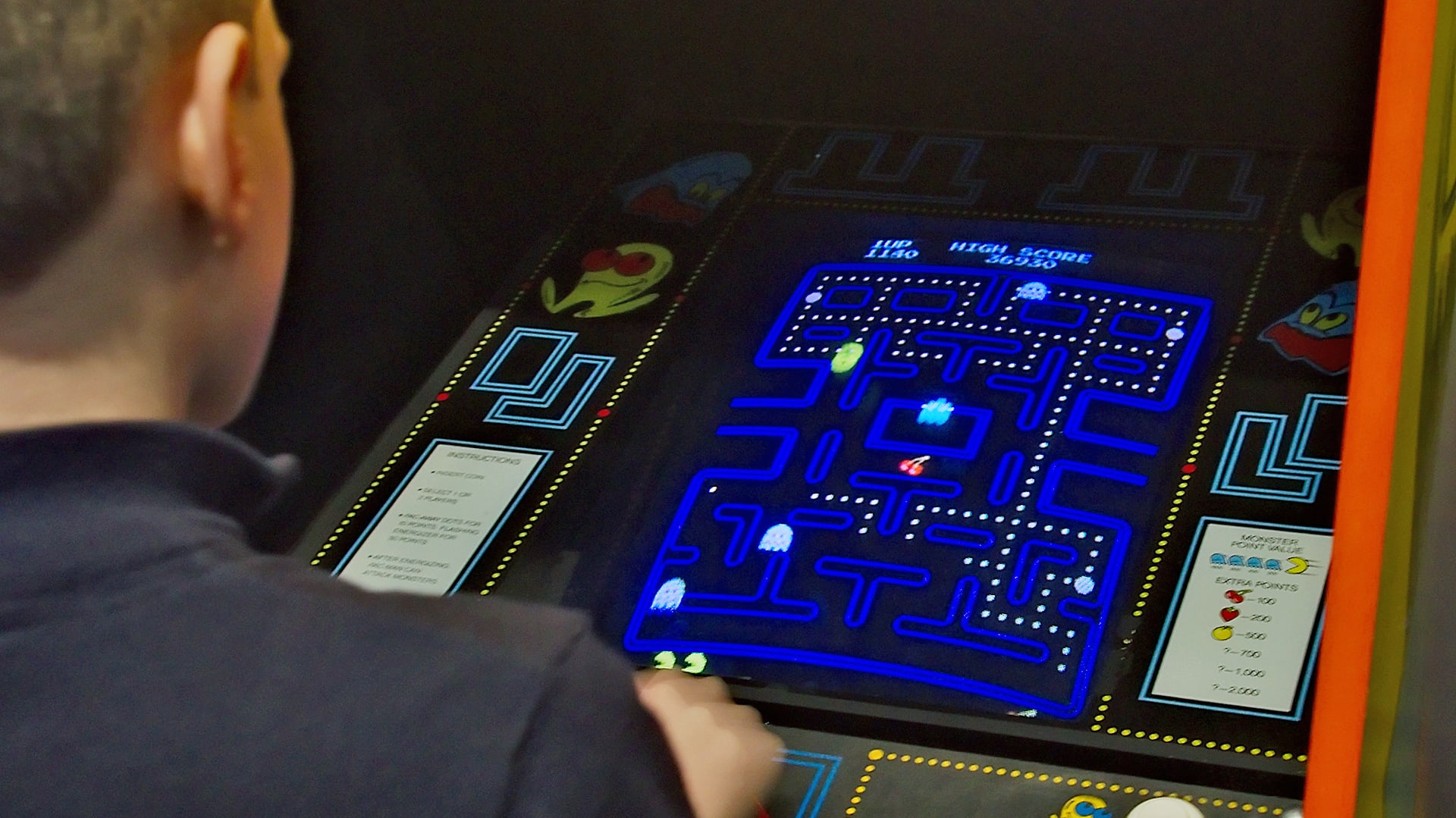

When Pac-Man debuted in arcades back in 1980, it brought an innovative experience to the gaming universe. During an era dominated by video games centered around cosmic conflicts and shooting tactics, this unique maze-based chase game stood out distinctly. Featuring vibrant colors, a straightforward concept, and memorable sound effects, Pac-Man turned into more than merely a game — it transformed into a cultural icon that made a significant mark on entertainment, design, and technology.
Created by Toru Iwatani and launched by Namco, Pac-Man was originally designed to attract a broader demographic, especially females, in a gaming world largely dominated by males. Instead of focusing on violence or fighting, the game centered around avoiding ghosts and gathering pellets, presenting a more playful and tactical gaming experience. This innovative direction was successful. Arcades quickly became lively with players of all generations, drawn to the delightful yellow figure and the thrilling chase within mazes.
Pac-Man’s global success was unprecedented. Within a year of its release, the game was generating millions in revenue and sparking massive interest in arcade machines around the world. It wasn’t just the addictive gameplay that drew people in — it was the entire experience. The distinct character design, catchy jingle, and ghost enemies (each with unique behavior patterns) made Pac-Man instantly recognizable, even outside of gaming circles.
What set Pac-Man apart was not just its commercial triumph, but its ability to create a legacy. It paved the way for character-driven games, influencing design and storytelling in future titles. Pac-Man became one of the first digital icons, appearing on merchandise, in television shows, and even inspiring music. This crossover appeal marked a turning point, proving that video games could be part of mainstream culture.
The game’s mechanics also introduced concepts that would become foundational in game design. The use of AI-like behavior in the ghosts was ahead of its time. Each ghost had a distinct strategy, making the game feel dynamic and unpredictable. Players could learn and adapt to patterns, developing skills over time, which added depth to what appeared to be a simple arcade game.
Beyond providing fun, Pac-Man’s impact reached further into fields like psychology, sociology, and advertising. The triumph of the game highlighted the potential for interactive media to connect with users emotionally and mentally. Moreover, it illustrated how choices in design — ranging from color palettes to audio elements — could significantly affect user interaction. Several concepts initially introduced through Pac-Man’s interface are currently examined in user experience (UX) studies and implemented on various digital channels.
Pac-Man didn’t just make video games more accessible — it also helped to validate them. During a time when gaming was perceived as a specialized interest, the wide-reaching popularity of Pac-Man contributed to normalizing the concept of playing games in communal areas. Families, pairs, and friends would gather around arcade machines, connecting over shared tactics and top scores. This communal aspect hinted at the future development of social gaming years later.
As advancements in technology occurred, Pac-Man underwent transformations too. The character found new life in follow-up games, 3D explorations, and applications for mobile devices. Although these updates brought changes, the classic version still holds a legendary status. Its design has lasted through the years, attracting newer audiences to its allure. Whether enjoyed on an old-school arcade machine or a modern mobile display, the gameplay continues to captivate users, providing both a sense of nostalgia and an engaging challenge.
Pac-Man’s simplicity is part of its brilliance. Without complex narratives or photorealistic graphics, it captures attention and encourages persistence. It represents an era when gameplay itself was the star, and when innovation was measured by creativity, not just hardware. That spirit continues to inspire developers, artists, and entrepreneurs across industries.
Over forty years since it first appeared, Pac-Man continues to leave a lasting mark. It played a crucial role in the growth of gaming as an international sector, influenced the design aesthetics of interactive experiences, and demonstrated that a game could transcend mere entertainment to become a cultural emblem. Originating in a Tokyo arcade, it now holds a position in museums and pop culture analyses, standing as an enduring symbol in the ever-evolving digital landscape.