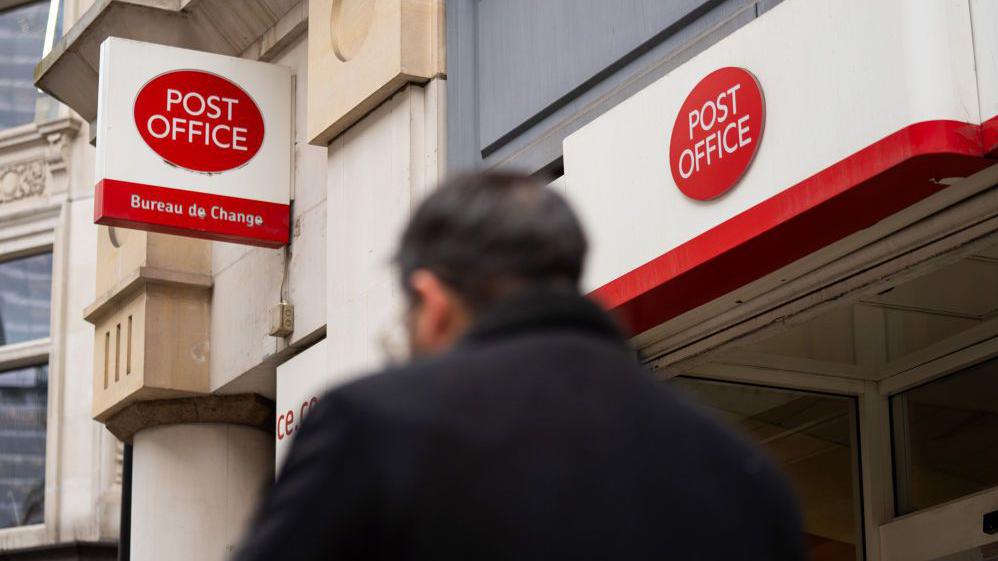

The UK government has initiated talks on a prospective future where the Post Office network of the nation might be owned and managed by those who operate its branches—the postmasters. The idea, which is still being considered in its preliminary phases, indicates a significant potential change in the organization and administration of the Post Office, affecting local economies, the availability of services, and the enduring viability of one of Britain’s oldest institutions.
The concept was introduced in a recent declaration by governmental representatives, who proposed that handing over ownership or a leading role of the Post Office to the postmasters themselves could pave the way for a more community-centered and robust business model. This approach would align with a wider movement in public service transformation, which seeks to decentralize authority and enhance participation from stakeholders in the management of vital services.
Though no definitive strategies have been revealed, exploring the option of joint ownership is part of the government’s continuous initiatives to aid postmasters after years of disputes, lack of funding, and operational difficulties. Notably, the idea is regarded as a method to strengthen those at the forefront of delivering services—postmasters who have been crucial in maintaining the network’s operation, especially in rural and underserved regions.
The discussion comes at a time of significant transformation for the Post Office, which has faced increasing pressure to modernize its operations in the face of declining traditional mail volumes, competition from digital services, and growing demand for financial and government-related transactions. The idea of postmaster ownership would represent a bold departure from the current structure, in which the Post Office operates as a state-owned business under the Department for Business and Trade.
Under the new model being considered, local branch operators could potentially acquire stakes in a mutualized Post Office, giving them greater influence over governance and business decisions. This approach could resemble cooperative business structures seen in other sectors, where stakeholders jointly own and manage operations in alignment with shared goals.
The suggestion has sparked a careful curiosity among numerous individuals within the postmaster sector. For many years, a multitude of postmasters have expressed dissatisfaction regarding their role constraints, economic burdens, and insufficient inclusion in high-level policymaking. Awarding ownership rights, several believe, might reinstate a feeling of empowerment and commitment for those who engage daily with clients and comprehend the requirements of their local areas.
However, the concept also raises questions about funding, oversight, and risk management. Transitioning to a postmaster-led model would require significant legal, financial, and organizational groundwork, including mechanisms for decision-making, dispute resolution, and accountability. Additionally, safeguards would be necessary to ensure that national service standards and access commitments are maintained across all regions, regardless of the size or wealth of local branches.
From a policy standpoint, the potential shift toward postmaster ownership aligns with a growing governmental interest in community-led public service models. Officials point to successful examples in other sectors—such as cooperative housing associations and mutualized health services—that have managed to balance local autonomy with national standards. The hope is that applying similar principles to the Post Office could improve morale, drive innovation, and rebuild public trust.
This isn’t the first time the idea of mutual ownership has been floated. Over the past decade, various think tanks and parliamentary groups have suggested that stakeholder-led models might offer a more sustainable future for public assets. In the case of the Post Office, where relationships between central management and local branches have often been strained, the idea carries particular resonance.
The proposal also arrives against the backdrop of ongoing efforts to address the fallout from the Horizon IT scandal, which saw hundreds of postmasters wrongly accused of financial misconduct due to errors in accounting software. That episode exposed serious flaws in governance and transparency within the Post Office, and it has prompted renewed calls for reforms that put postmasters at the heart of decision-making processes.
Supporters of transitioning to a mutual ownership model suggest that increasing the investment and involvement of postmasters in the ownership structure would not only assist in avoiding future governance issues but also foster more flexible, locally customized responses to changing service needs. They contend that postmasters, given their direct ties to the community and practical experience in operations, are ideally suited to influence the network’s future direction.
Conversely, skeptics warn that large-scale structural changes should be approached with caution. They emphasize the importance of thorough consultation, legal precision, and financial strategy to ensure the shift does not unintentionally threaten the network’s stability or its responsibilities to the community.
Consumer advocacy groups have also voiced interest in the proposal, noting that any model that strengthens local services and ensures continued access to postal and financial services—particularly for vulnerable and remote populations—deserves careful exploration. They warn, however, that privatization in any form must be approached cautiously, and that public interest must remain the central guiding principle.
As the authorities keep evaluating the future of the Post Office, it is anticipated that official discussions will take place with postmasters, industry specialists, unions, and community delegates. These dialogues are expected to influence whether the idea of a postmaster-owned Post Office turns into a solid policy proposal.
Over the next few months, the path chosen could signify a pivotal moment for a national entity that, for hundreds of years, has been a cornerstone of community support throughout the UK. If conducted with diligence and partnership, the concept of a Post Office guided by postmasters could evolve it into a service that is more inclusive, responsible, and enduring—one that mirrors the perspectives of those most familiar with it.