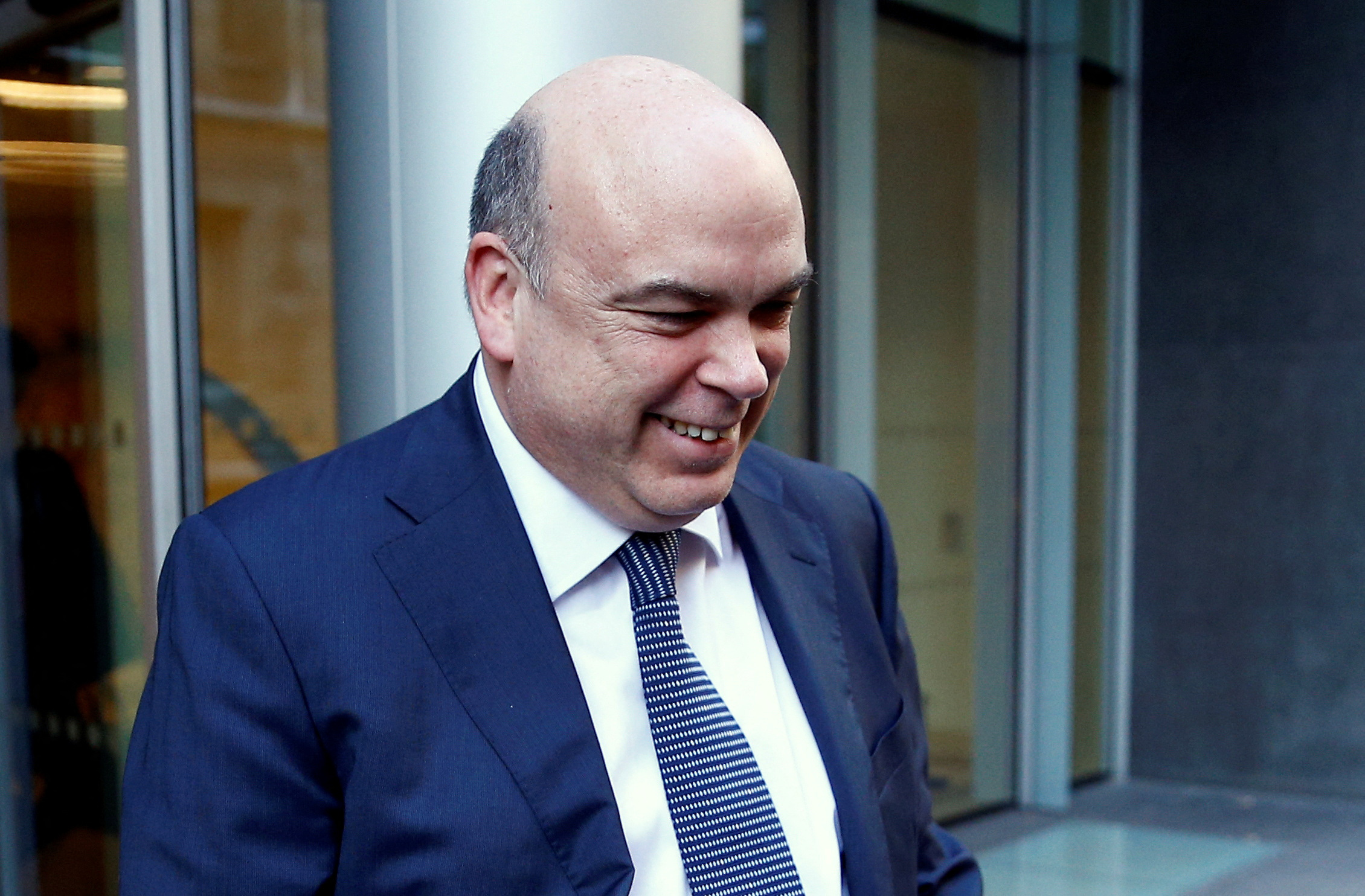

British technology entrepreneur Mike Lynch has been ordered by a U.K. court to pay more than $900 million in damages, marking a significant development in a lengthy legal saga that has drawn global attention. The decision comes after years of legal battles tied to the controversial sale of Autonomy, a software company Lynch co-founded, to Hewlett-Packard (HP) in 2011. The court’s ruling brings a decisive turn in the high-profile corporate dispute, one that has played out across two continents and deeply affected the reputations and fortunes of those involved.
The situation revolves around accusations that Lynch misrepresented Autonomy’s fiscal status during discussions for acquisition, which resulted in the U.S. technology company spending over $11 billion on the firm based in the U.K. Shortly after the purchase, HP revealed it had incurred a writedown of nearly $8.8 billion, asserting that the financial data it had depended on was overstated and faulty. HP argued that a large portion of the excessive payment was due to misleading actions, such as the misrepresentation of income sources and irregularities in accounting. These accusations initiated inquiries in both the U.S. and the U.K., leading to civil litigation, criminal charges, and now this notable financial fine.
The recent ruling follows a civil trial in the U.K. that lasted over a year, with both sides presenting detailed financial evidence and expert testimony. The court ultimately concluded that Lynch had engaged in fraudulent conduct related to the deal. According to the judgment, the misrepresentation of Autonomy’s revenue streams—specifically through the use of hardware sales and other means to inflate recurring software revenues—played a central role in convincing HP to proceed with the transaction at the agreed price. The judge determined that HP would not have paid such a premium had it known the full picture.
Lynch has continually rejected allegations of misconduct, asserting that Autonomy was a competently managed organization that followed standard business practices. He contended that HP’s own failures in management and improper integration of Autonomy played a role in the breakdown of the acquisition. His defense highlighted the fact that HP had performed thorough due diligence prior to the acquisition and that they had all the essential financial data at their disposal. Despite this, the court determined there was enough proof to back HP’s fraud allegation and instructed Lynch to reimburse the company for the consequent financial damages.
The ruling significantly increases the legal and financial pressure on Lynch, who is also facing extradition proceedings in the United States. U.S. authorities have charged him with conspiracy, wire fraud, and securities fraud related to the same set of allegations. He has fought extradition vigorously, but recent developments suggest that he may soon have to stand trial in an American courtroom. If convicted in the U.S., Lynch could face substantial prison time in addition to the damages awarded in the U.K.
The Autonomy saga has become one of the most high-profile examples of transatlantic corporate litigation. It reflects the increasing willingness of both U.K. and U.S. authorities to pursue complex financial crimes that span jurisdictions. It also highlights the risks tech companies and their executives face when engaging in high-stakes mergers and acquisitions, especially when valuations are based heavily on intangible assets like intellectual property and software revenue projections.
For HP, the ruling represents a measure of vindication after years of criticism over the Autonomy deal. The company was widely condemned for overpaying and for failing to conduct more thorough due diligence. Its executives at the time, including then-CEO Meg Whitman, defended the acquisition strategy but later pointed to Lynch and his team as the primary culprits behind the transaction’s collapse. The court’s decision supports that narrative, though it also leaves open questions about HP’s internal decision-making and whether the outcome could have been avoided with greater scrutiny.
The ruling also sends a strong message to the broader business community. Misleading investors and potential acquirers about a company’s financial health can lead to severe consequences, including both civil and criminal liability. It reinforces the importance of transparency, sound accounting practices, and full disclosure during mergers and acquisitions. Executives who engage in deceptive conduct may find themselves not only on the hook for financial damages but also facing criminal prosecution.
Despite the verdict, Lynch’s legal team has indicated that they intend to appeal the decision. They argue that the ruling misinterprets the financial evidence and unfairly assigns blame for a failed integration effort that was beyond Lynch’s control. The appeal process could extend the legal battle for several more years, but unless overturned, the financial penalty stands as one of the largest ever imposed on a British entrepreneur in a civil fraud case.
Observers of the case note that the magnitude of the damages could have significant implications for Lynch’s financial future. While he amassed considerable wealth from the sale of Autonomy and his earlier business ventures, the more than $900 million owed could force asset sales or other financial restructuring. It’s also unclear how much of the judgment HP will be able to recover, especially given the complexity of Lynch’s financial holdings and potential protections in other jurisdictions.
At the same time, various ex-Autonomy executives have experienced examinations. Certain individuals have been found guilty in the United States for similar accusations, while others are still being investigated. The legal consequences have created a deterrent effect on how executives conduct themselves within the tech industry, serving as a reminder to corporate heads that deals closed long ago might reappear if misconduct is claimed.
The decision further complicates the legacy of Mike Lynch, once hailed as one of the U.K.’s most successful tech entrepreneurs. Autonomy was widely seen as a homegrown success story before the acquisition debacle, and Lynch was often compared to the likes of Silicon Valley’s top innovators. This ruling shifts that narrative, casting a long shadow over his accomplishments and raising doubts about the integrity of his business practices.
As the legal process continues, the case of HP versus Mike Lynch will likely remain a reference point in discussions about corporate fraud, international enforcement, and the responsibility of tech leaders in high-stakes financial transactions. It underscores the enduring impact that a single deal can have on reputations, careers, and corporate histories.