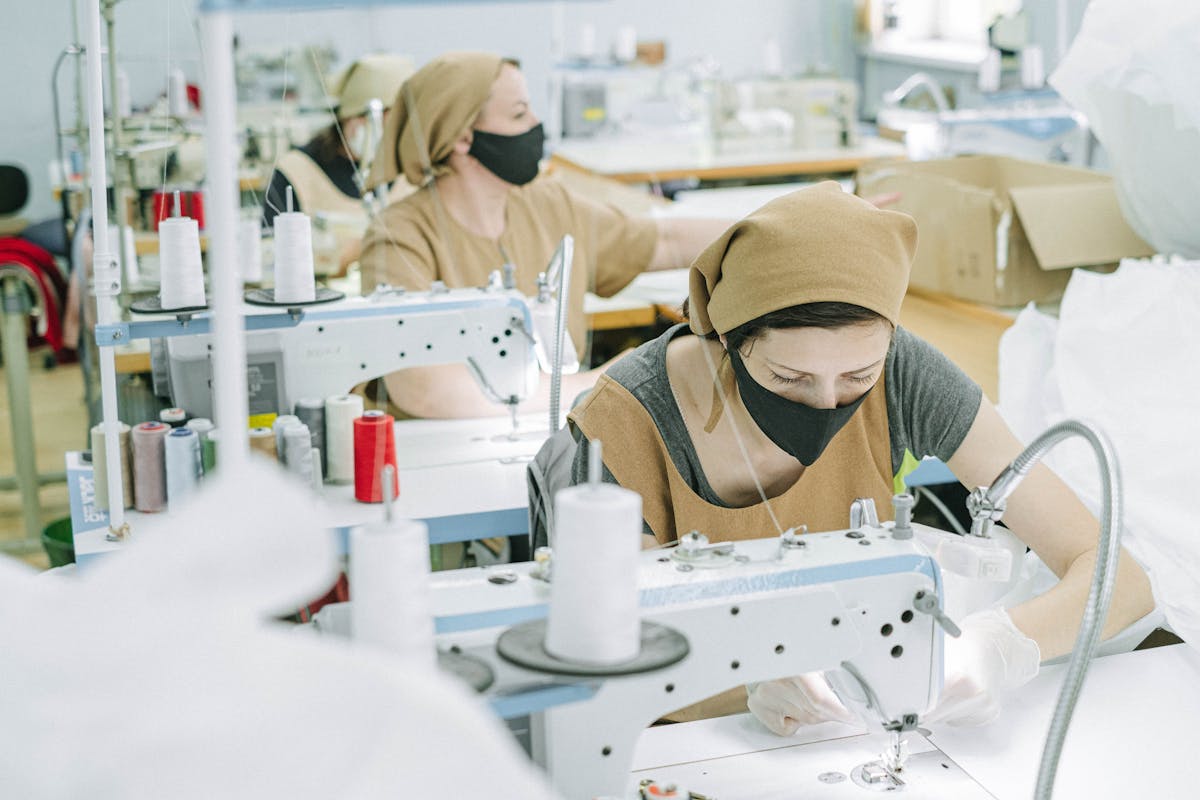

Inditex, a leading company in the international fashion industry and the owner of well-known brands such as Zara, Massimo Dutti, and Pull&Bear, has significant control over global fashion supply networks. The company operates a vast network in over 100 nations, hiring many individuals and collaborating with numerous suppliers. Its fast-fashion approach, characterized by swift product rotations and flexible sourcing methods, has previously sparked concerns about labor abuses, equitable pay, and workplace safety. In recent times, however, Inditex has taken deliberate steps to tackle these challenges. This article delves into the detailed initiatives, strategies, and measurable outcomes of Inditex’s efforts to enhance labor conditions across its worldwide operations.
Strengthening Supply Chain Oversight and Transparency
A critical aspect of Inditex’s approach to labor rights improvement is the enhancement of supply chain transparency. Inditex maintains an open suppliers list, updated annually, which includes information on over 1,800 suppliers and 6,800 factories worldwide. This disclosure allows external stakeholders to monitor working conditions and to hold the company accountable.
Further, the company utilizes a sophisticated digital traceability tool called INET, which tracks the life cycle of each garment from the sourcing of raw materials to the finished product. This tool supports the detection and remediation of labor violations at every step of the manufacturing process.
Application of the Inditex Guidelines for Manufacturers and Suppliers
All providers and producers collaborating with Inditex are required to adhere to the Inditex Code of Conduct. This document establishes guidelines in line with International Labour Organization conventions, addressing subjects like:
No forced or child labor: Regular audits ensure that underage or coerced workers are not present across their supply chain. Fair wages and benefits: The code demands that workers are paid at least the legal minimum wage or industry benchmark, whichever is higher. Working hours limitations: Suppliers must adhere to legal limits on working hours, provide rest days, and prohibit excessive overtime.
Extensive Inspection and Correction Programs
Inditex’s audit framework incorporates both internal and third-party monitoring. In 2022 alone, the company conducted approximately 12,000 social audits, focusing on prevention of labor abuses such as unsafe working conditions, wage theft, and harassment.
When breaches are identified, Inditex initiates its Corrective Action Plans (CAPs). These strategies oblige the supplier to address the problem within designated time frames. In serious instances or when persistent violations take place, Inditex has ended contracts with suppliers, as demonstrated by their public documentation.
Social Dialogue and Worker Empowerment
Apart from ensuring compliance, Inditex has joined forces with international labor bodies like IndustriALL Global Union. By establishing the Global Framework Agreement in 2007 and renewing it regularly, Inditex supports union rights, such as collective bargaining and workers’ freedom of association in supplier factories. More than 1.4 million workers gain advantages from programs under this agreement.
Notably, Inditex supports on-site worker training, union election facilitation, and grievance mechanisms where employees can raise concerns without fear of reprisal. An example includes the Bangladesh Accord on Fire and Building Safety, to which Inditex is a leading signatory. The Accord has significantly upgraded factory safety standards in one of the world’s key garment production hubs.
Strategies for a Living Wage and the Digitization of Salaries
While legal minimum wages in many supplier countries are criticized for being insufficient, Inditex has engaged in collaborative wage assessments and pilot programs aimed at achieving living wages for workers. In Turkey and Vietnam, for example, the company has participated in wage digitization projects to ensure workers receive accurate and timely electronic payments, reducing wage theft and improving transparency.
In 2022, Inditex collaborated on initiatives with multiple stakeholders to establish living wage benchmarks utilizing independently validated data. While the impact differs by region, these efforts signify gradual advancement in bridging the living wage disparity in supplier factories.
Programs for Skill Enhancement and Education
Inditex allocates resources to employee training, focusing on gender equality, health and safety, and awareness of rights. Their ‘Health and Safety Root Cause’ initiatives involve thousands of workers each year, leading to reduced accident and injury rates. In 2021, more than 500,000 workers attended skill-enhancement sessions in India, Bangladesh, and China.
The company’s Women Empowerment Program, launched in partnership with local NGOs, has led to improved promotion rates for female workers and a decrease in reported harassment cases. A 2023 assessment in Indian supplier factories showed a 24% reduction in reported workplace grievances post-training.
Addressing Modern Slavery Risks and Migrant Worker Protection
Identifying risks associated with contemporary slavery and the exploitation of migrant laborers, Inditex has released modern slavery reports in accordance with UK and Australian laws. These reports outline their procedures for risk evaluation and steps for due diligence.
Inditex enforces direct recruitment, fees-free employment, and passport retention bans in supplier factories with significant migrant labor populations. As part of the Responsible Recruitment Toolkit, factory managers receive tailored training on ethical recruitment, and audits track compliance against strict anti-trafficking measures.
Effects and Obstacles
The 2020 COVID-19 pandemic placed unprecedented strain on global supply chains and exposed labor rights risks, particularly when orders were delayed or canceled. Inditex stood out for its commitment to paying for completed orders, thereby ensuring workers received due compensation during factory shutdowns, as verified by the Worker Rights Consortium.
However, challenges persist. While audit and remediation data show improvements, local enforcement of wage and safety standards can be inconsistent, partly due to complex subcontracting relationships. Inditex’s multi-level monitoring aims to mitigate these gaps, yet they acknowledge that continuous vigilance and adaptation are necessary.
Inditex’s ongoing efforts to improve labor conditions reflect the evolving expectations of consumers, investors, and regulatory bodies in the fashion sector. While successes such as enhanced traceability, union engagement, and targeted wage interventions demonstrate genuine progress, complex supply chain dynamics continue to test the limits of even the most rigorous systems. As innovations in transparency and worker engagement unfold, the sustainability of these initiatives will hinge on deeper supplier relations and resilient partnerships with labor organizations. Recognizing these broader dynamics is essential to evaluating what substantive improvements in garment industry labor standards truly look like.