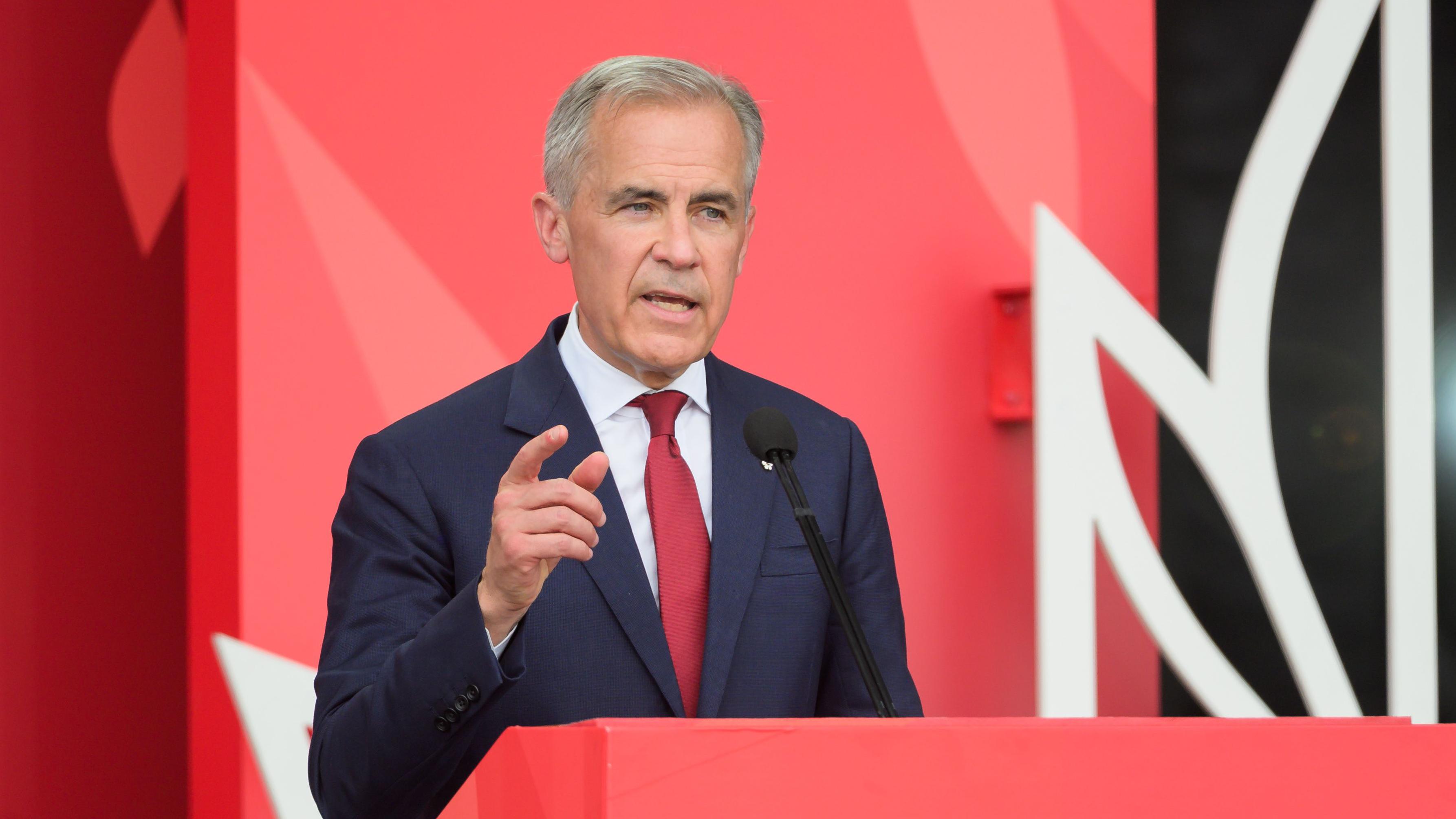

As Canada sets out on a revamped initiative to promote large infrastructure and economic development endeavors referred to as «nation building,» the administration under Prime Minister Justin Trudeau is underlining the need for speed and ambitious goals. Ranging from green energy pathways to transportation networks, these efforts are portrayed by the federal government as vital for ensuring the nation’s enduring wealth and environmental health. However, for numerous Indigenous First Nations, such initiatives raise recurring questions: Who gets to decide the definition of nation building? And in what ways will Indigenous perspectives be genuinely incorporated?
At the heart of the discussion lies the federal administration’s suggestion to expedite permissions for significant initiatives considered vital to the country’s benefit. Supporters of the proposal believe that Canada needs to move quickly to stay competitive, especially regarding the switch to renewable energy and the upgrade of infrastructure. Conversely, Indigenous leaders nationwide are calling for careful consideration and dialogue, highlighting a history of being left out and sidelined in past nationwide development projects.
While the idea of nation building is widely endorsed in political discourse, its meaning differs significantly based on historical and cultural settings. For Indigenous communities, genuine nation building is fundamentally linked to the values of sovereignty, land ownership, and self-governance. Numerous Indigenous leaders contend that Canada’s future planning should inherently respect these core values, rather than overlooking them when hastily advancing pipeline, hydroelectric, or resource extraction initiatives.
Prime Minister Trudeau has repeatedly emphasized his dedication to reconciliation, frequently depicting it as a fundamental aspect of his administration’s policy strategy. However, as major development plans progress—some involving unceded Indigenous lands—skeptics challenge whether reconciliation is genuinely being implemented or simply referenced in theory.
A significant area of dispute centers around the consultation process. Federal representatives assert that it is both a legal and ethical duty to consult Indigenous groups. Nevertheless, numerous communities have voiced apprehension that present efforts to engage do not rise to the level of true collaboration. They contend that consultation frequently occurs at a late stage in the planning process or is seen merely as a formal requirement rather than a chance for joint development.
Some Indigenous nations have successfully asserted their rights through legal action or negotiated benefit agreements that give them a stronger role in decision-making. But many others remain wary of processes that, in their view, prioritize speed over substance. This tension is particularly evident in areas where projects could impact traditional lands, water sources, and ecosystems that are central to Indigenous identity and survival.
Environmental stewardship is another area where Indigenous and federal priorities sometimes diverge. While Ottawa frames new infrastructure as environmentally progressive—such as investments in hydrogen fuel or renewable energy—some First Nations see risks to sacred land and biodiversity. Indigenous communities often bring generations of knowledge about ecological balance, yet their input is not always reflected in final decisions.
Economic possibilities are also being discussed. The federal government has emphasized the potential for job creation and revenue sharing for Indigenous communities through their participation in infrastructure and energy initiatives. In certain instances, businesses owned by Indigenous people are already taking a leading role in these developments. However, many leaders stress that the promise of financial gains cannot surpass the necessity for approval and protection of cultural heritage.
The intricacies of Indigenous administration add another layer of challenge to federal initiatives. In certain areas, the opinions of elected band councils, hereditary chiefs, and grassroots groups might not align regarding development. This variety highlights the necessity of consulting not just official delegates but the community as a whole. Approaches from above that overlook these dynamics risk creating deeper internal conflicts and reducing trust.
The influence of legal precedent persists in shaping the framework. Decisions from the Supreme Court, like Tsilhqot’in Nation v. British Columbia, have recognized Indigenous ownership of ancestral territories and confirmed the necessity to consult and make accommodations. These rulings have enhanced the status of Indigenous law in Canadian legal practice, yet they also pose challenges regarding the interpretation and execution of these duties by federal and provincial authorities in practical situations.
In response to these concerns, some Indigenous leaders are calling for co-governance models that go beyond consultation. They argue that true reconciliation demands shared authority, where Indigenous legal traditions and governance systems are recognized on equal footing with federal and provincial structures. Such models are already being tested in select areas, but broader adoption would represent a major shift in how Canada approaches national development.
Public opinion on these issues is also evolving. Canadians increasingly support Indigenous rights and environmental protections, which places additional pressure on political leaders to ensure that development plans align with social expectations. Younger generations, in particular, are more likely to view climate action, Indigenous justice, and economic policy as interconnected rather than separate policy areas.
Internationally, Canada is often scrutinized for how it balances economic ambition with Indigenous and environmental concerns. The United Nations Declaration on the Rights of Indigenous Peoples (UNDRIP), which Canada has committed to implementing, reinforces the principle of free, prior, and informed consent for any projects that affect Indigenous lands or resources. Upholding that standard remains a key benchmark for both domestic credibility and global leadership.
Within Parliament, the fast-tracking of “nation building” legislation faces both support and resistance. Some lawmakers argue that urgent action is needed to accelerate green energy transitions and economic recovery. Others insist that respecting Indigenous sovereignty is not only a legal imperative but a moral one that cannot be compromised in the name of expediency.
To effectively manage this intricate environment, it is probable that the federal government will have to create innovative methods for participation and responsibility. This may involve enhancing the function of review boards led by Indigenous groups, investing in strengthening community consultation capacities, and integrating cultural insights into planning frameworks. Achieving success will rely not merely on procedures but on a fundamental change in the perception of power and collaboration.
As Canada plans its future, the journey to national prosperity is intertwined with the journey to justice. Indigenous nations are not mere participants in another’s endeavor—they are collaborators in defining the nation’s identity, economy, and environmental heritage. For the federal government’s ambition of nation building to be successful, it needs to be one that embraces, respects, and is co-created by the First Peoples of the land.
In the coming months, discussions about infrastructure, the environment, and reconciliation will keep overlapping. The decisions taken at this time will not just influence the outcome of specific projects, but will also shape how Canada conceptualizes its identity in this century. The nation’s ability to develop an authentically inclusive vision will be a measure of leadership, confidence, and political resolve.