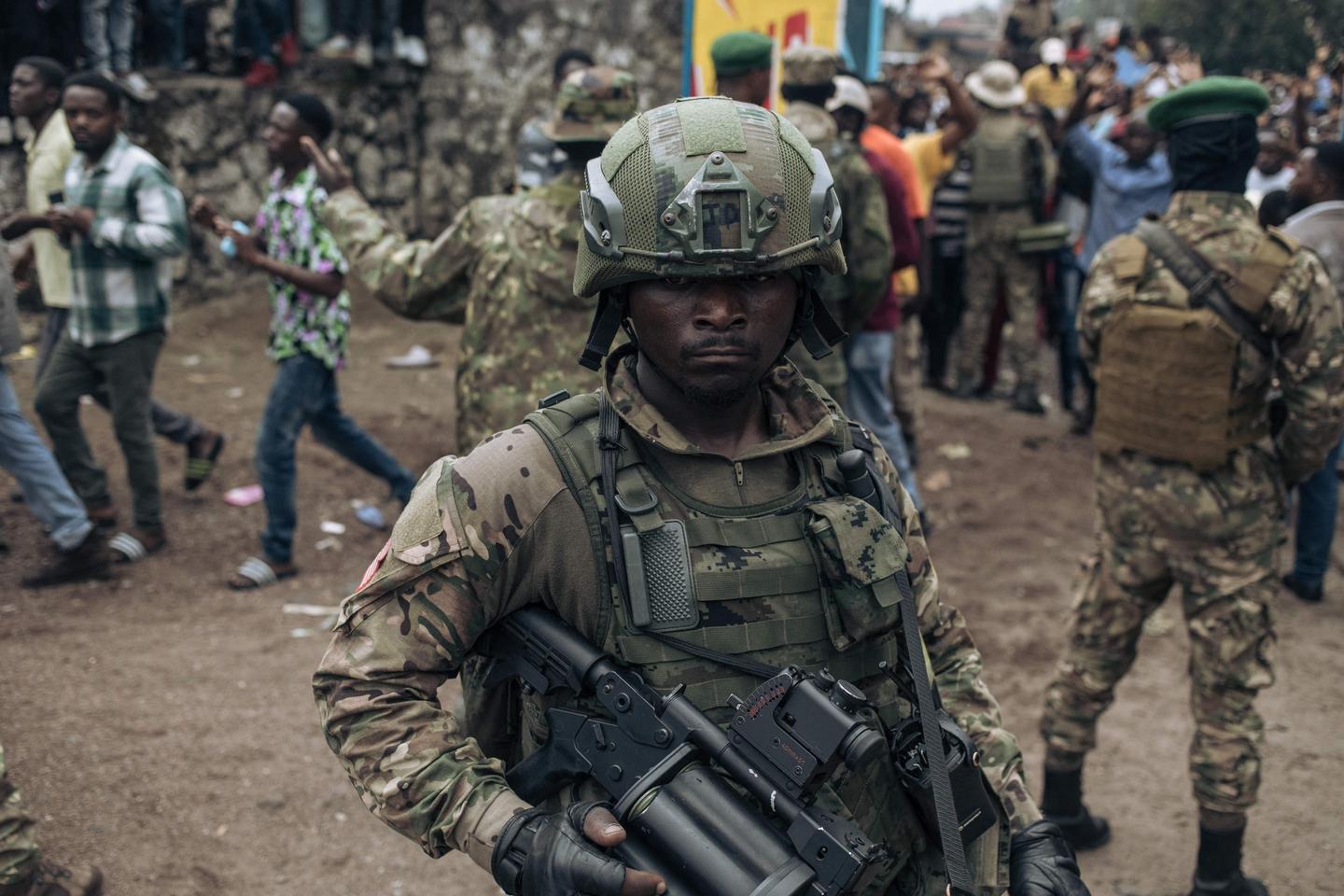

In a region long scarred by conflict, a step toward peace has emerged. Armed factions operating in eastern Democratic Republic of the Congo (DRC), some with alleged backing from neighboring Rwanda, have agreed to a preliminary set of principles aimed at establishing a permanent ceasefire. While the path to lasting stability remains uncertain, this development offers a rare glimpse of hope in a conflict that has displaced millions and claimed countless lives.
The eastern provinces of the DRC, particularly North Kivu and Ituri, have been plagued for decades by armed violence involving local militias, foreign-backed groups, and government forces. The root causes of this unrest are complex—spanning ethnic tensions, control over mineral-rich lands, historical grievances, and a fragile national governance structure. Despite repeated peace efforts, the situation has frequently deteriorated, leaving communities trapped in cycles of violence.
At the core of the recent milestone lies a freshly executed declaration of principles between the DRC government and various armed groups active in the east. These principles act as a foundational structure for negotiating a complete and enforceable ceasefire. Key elements include pledges to halt hostilities, enable humanitarian efforts, safeguard civilians, and participate in political discussions.
Although the declaration is not yet a binding ceasefire agreement, it indicates a change in tone and intent among major stakeholders. In recent months, regional figures and international commentators have increasingly called for a diplomatic solution, highlighting the impact on civilians and the escalating instability spreading beyond borders. The step towards formal talks suggests a readiness—albeit tentative—on both sides to lessen violence and pursue resolution through discussion.
A significant challenge contributing to the area’s instability is the reappearance of the M23 rebel faction, which has become active again after a dormant phase. The government of the DRC has consistently accused Rwanda of backing the M23, a claim that Rwanda has consistently refuted. The friction between the two nations has sometimes escalated, leading to concerns about a potential wider conflict in the region.
The recent statement, while it doesn’t specifically mention the M23 or Rwanda, recognizes the importance of tackling external influence and the disarmament of groups not tied to the state. This implies that there may have been covert discussions or initial compromises considering Rwanda’s involvement in the unrest.
Lo que hace que este momento sea especialmente significativo es el momento en que ocurre. Tras años de negociaciones paralizadas, escaladas militares e intervenciones fallidas para mantener la paz, las partes ahora parecen más receptivas al diálogo diplomático. Los analistas indican que esto podría deberse a una combinación de cansancio por el conflicto prolongado, cambios en la dinámica geopolítica y presión de los mediadores regionales.
Neighboring countries and regional organizations have played a significant role in facilitating recent discussions. Efforts have been ongoing to revive regional peace initiatives, many of which had languished due to mistrust and lack of coordination. The renewed attention from these actors has helped create an environment more conducive to dialogue, even if fragile.
Las comunidades en el este del Congo, durante mucho tiempo atrapadas en el fuego cruzado, han reaccionado con optimismo moderado. Para muchos civiles, la paz ha sido un sueño difícil de alcanzar, interrumpido repetidamente por brotes de violencia. Los campamentos de desplazados continúan abarrotados, las necesidades humanitarias son críticas y el temor a nuevos enfrentamientos persiste en la vida cotidiana. Sin embargo, incluso los más mínimos indicios de avance son recibidos con esperanza de que lo peor haya quedado finalmente atrás.
The government of the DRC has reiterated its commitment to disarmament, the reintegration of ex-combatants, and re-establishing state authority in impacted regions. Nonetheless, achieving these objectives significantly relies on security assurances and ongoing support from both domestic bodies and the international community. Without sufficient follow-up, there is a danger that this agreement—much like numerous ones prior—could collapse under the strain of conflicting interests and persistent grievances.
The document goes on to describe methods for oversight and confirmation, yet specifics about enforcement are still uncertain. In an area where many ceasefires have failed due to lack of adherence or insufficient supervision, the effectiveness of any peace deal depends on its transparent and consistent execution.
Thinking about the future, there is a careful recognition that agreeing on principles is merely the beginning. The true difficulty is in converting these principles into enduring change in reality. This will necessitate steps to build trust, the involvement of community groups in the peace efforts, and tangible actions that show dedication to ceasing conflicts—not just for a short period, but permanently.
In a wider perspective, achieving peace in eastern Congo is crucial not just on a national level but is also a regional necessity. The unrest in the DRC causes disturbances across Central Africa, affecting trade, escalating cross-border tensions, and leading to humanitarian challenges that surpass national boundaries. Therefore, an effective peace initiative would be advantageous not only for the Congolese population but also for the surrounding nations and the entire continent.
While the road ahead remains fraught with uncertainty, the signing of this declaration offers a rare chance to alter the trajectory of a long-standing conflict. If followed by genuine dialogue and sustained efforts to address root causes, this development could mark the beginning of a new chapter for a region that has endured too much for too long.