Nuestro sitio web utiliza cookies para mejorar y personalizar su experiencia y para mostrar anuncios (si los hay). Nuestro sitio web también puede incluir cookies de terceros como Google Adsense, Google Analytics, Youtube. Al utilizar el sitio web, usted acepta el uso de cookies. Hemos actualizado nuestra Política de Privacidad. Haga clic en el botón para consultar nuestra Política de privacidad.

International

The dilemmas of content moderation online

The Challenges of Content Moderation in the Digital Age

Online content moderation sits at the intersection of technology, law, business incentives, and human values. Platforms must balance the protection of users from harm with respect for free expression, operate across thousands of jurisdictions, and make split-second decisions at a scale of millions or billions of posts. The result is a set of persistent dilemmas: what to remove, what to label, how to enforce rules consistently, and who decides.Core dilemmas explainedSafety versus free expression. Strict enforcement can curb harms tied to harassment, hate, and misinformation, yet it may also sweep up valid political conversations, satire, or voices from marginalized groups.…
Read More
Who controls data and why that equals power

Data Control: The Ultimate Power Play

Data is far from neutral or merely raw; it functions as a strategic resource. The party that gathers, stores, interprets, and oversees extensive, high‑quality datasets secures economic leverage, political sway, and operational authority. That concentrated ability to anticipate behavior, influence markets, guide information flows, and execute large‑scale decisions is what ultimately transforms data into power.Primary stakeholders responsible for managing dataBig technology platforms: Companies like global search, social media, cloud, and ecommerce platforms aggregate massive behavioral, transactional, and location data across billions of users and services.Governments and regulators: States collect identity, tax, health, telecommunications, and surveillance data; they also set rules…
Read More
Trump’s damage is done. Democrats – and Europe – are struggling to define what’s next

Trump’s Influence: How Democrats & Europe Are Defining What’s Next

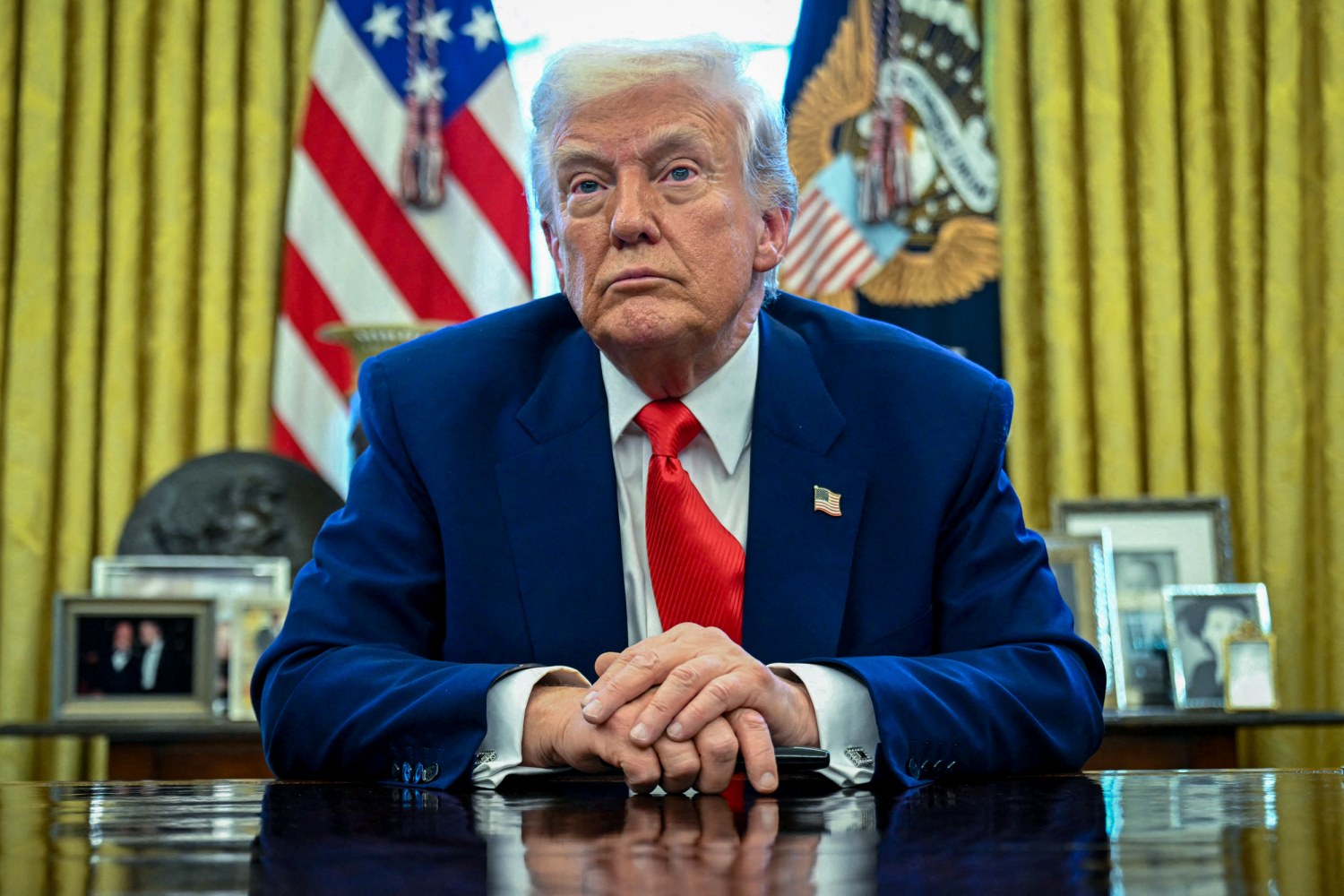
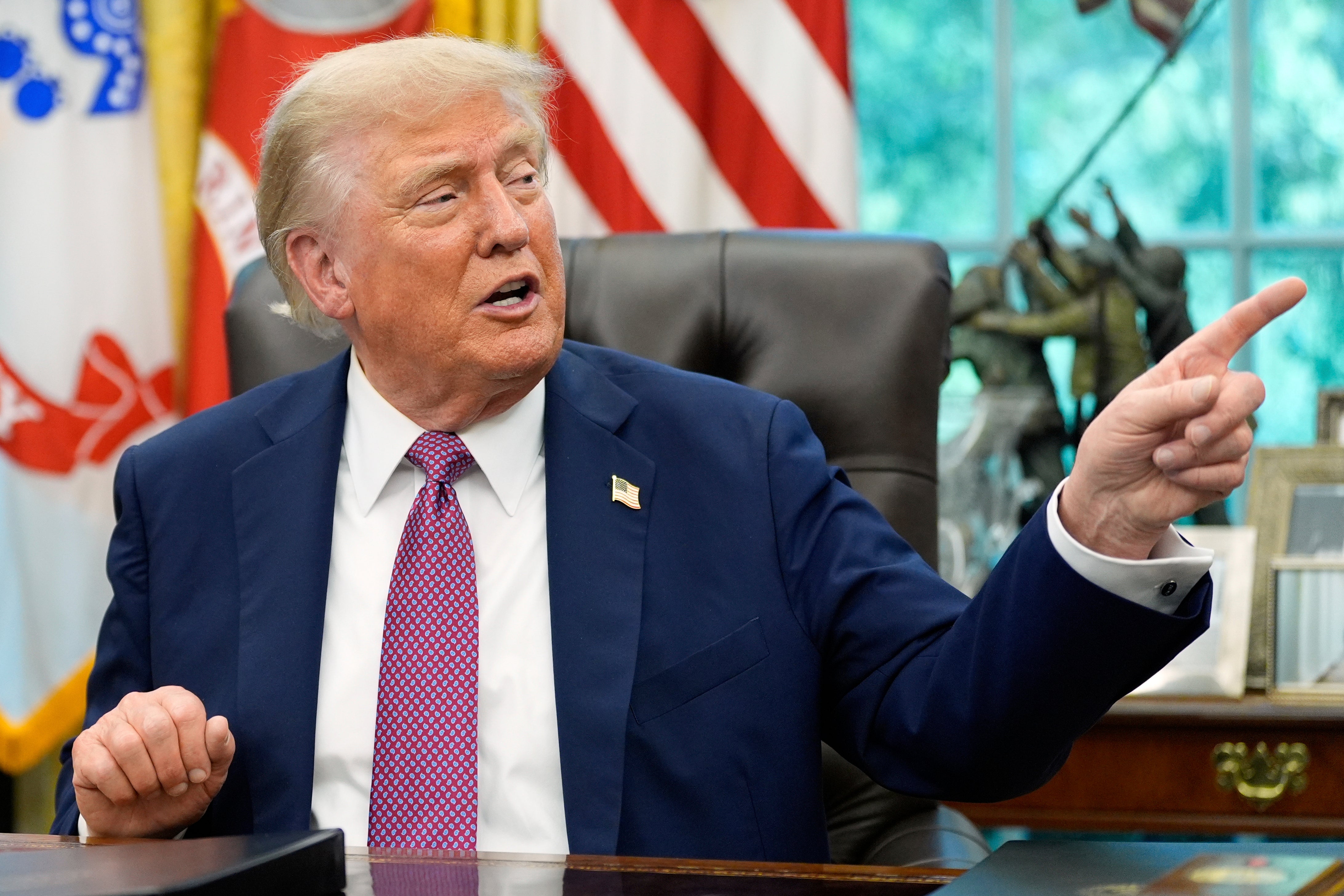
At the Munich Security Conference, several high‑profile Democrats quietly hinted at presidential aspirations while confronting a stark warning from Europe: the transatlantic bond may never fully revert to what it once was. With global partnerships strained by resurgent nationalism and intensifying geopolitical competition, unresolved doubts about America’s future leadership cast a long shadow over the 2028 campaign.The annual gathering at the Munich Security Conference has long functioned as a testing stage for emerging statesmen, and for years American presidents and presidential hopefuls journeyed to the Bavarian capital to reaffirm Washington's dedication to Europe and to emphasize that the United States…
Read More
China reveals its plan to challenge the US dollar for dominance. Could it ever work?

The Battle for Global Currency: China’s Challenge to the US Dollar

China is using a moment of global uncertainty to press its long-standing ambition of expanding the international role of its currency. Market volatility, a weakening US dollar, and political unpredictability have created conditions Beijing sees as unusually favorable.In recent months, global markets have been unsettled by a mix of political and economic pressures, many tied to policy signals coming from the United States, where the renewed presidency of Donald Trump has introduced fresh unpredictability in trade, monetary policy, and international relations, prompting investors to adjust to evolving circumstances as the US dollar sinks to its lowest point in years and…
Read More
Trump the ‘demolition’ man of world order, European security experts warn

Warning from Europe: Trump’s Impact on Security

The international system that has underpinned decades of relative stability is facing mounting stress. A new global security assessment warns that aggressive political disruption, driven largely by US leadership, is accelerating the erosion of long-standing rules, alliances, and shared norms.According to the Munich Security Report 2026, the world is now experiencing what it labels “wrecking-ball politics,” a governing style in which forceful disruption takes precedence over stability and collective agreement, and the report contends that this shift is putting unprecedented pressure on the postwar international order, exposing it to its most significant challenges since its inception and generating repercussions that…
Read More
Why food prices rise even when harvests are strong

Understanding Rising Food Costs: Strong Harvests, Higher Prices

Strong harvests are a natural expectation for lower food prices, but the relationship between production volumes and retail prices is far from direct. Prices reflect the interaction of physical supply, logistics, policy, finance, and market structure. A good harvest in tonnes does not automatically mean abundant, cheap food on every table. Below are the main mechanisms that explain why food prices can rise even when aggregate harvests look strong.Primary factorsMismatch between global supply and exportable supply: A nation may register an abundant harvest yet ship only limited volumes abroad when domestic consumption, state purchasing programs, or quality constraints absorb much…
Read More
How a distant conflict can raise the price of everyday goods

How International Conflicts Affect Local Prices

A war or political conflict thousands of miles away can raise the price of everyday goods at home through a chain of economic and logistical links. Modern supply chains are tightly interwoven, and essential inputs such as energy, metals, food, and shipping capacity are concentrated in a relatively small number of producing regions. When conflict disrupts production, trade flows, insurance, or finance in those regions, the cost of inputs rises and producers pass those costs on to consumers.Key transmission channelsCommodity supply shocks — Conflicts that disrupt the export flow of oil, gas, wheat, fertilizers, or metals cut global availability and…
Read More
Meet the trusted diplomat tasked with turning the US-backed ceasefire into peace for Gaza

US-Backed Ceasefire: A Diplomat’s Peace Mission in Gaza

Bulgaria’s Nickolay Mladenov, a seasoned diplomat, has taken on one of the most challenging assignments of his career: overseeing the delicate implementation of a US-brokered plan to stabilize Gaza and guide its administration. His experience, relationships, and reputation will all be tested as he navigates the complex political terrain of the region.Mladenov’s journey to this point has been marked by decades of diplomatic service. Early in his career, he held key positions in Bulgaria’s government, including defense minister at 37 and later foreign minister. His international experience expanded with appointments to the European Parliament and as the UN’s Special Representative…
Read More
Venezuela has a ton of oil. It also has something else America needs

Venezuela’s Dual Assets: Oil and America’s Other Imperative

Venezuela’s extensive natural resources have reemerged within Washington’s strategic agenda, with its potential mineral reserves now portrayed as matters of national significance, although specialists caution that transforming these aspirations into tangible results is considerably more intricate than political discourse implies.When Donald Trump announced that U.S. companies would be allowed to tap into Venezuela’s vast oil reserves, the spotlight swiftly broadened far beyond petroleum, and policy discussions increasingly began to encompass minerals, metals, and even rare earth elements thought to lie beneath Venezuelan territory, resources considered vital across sectors such as defense, aerospace, clean energy, and consumer technology, and now central…
Read More
Key Issues in International AI Governance

Key Issues in International AI Governance

Artificial intelligence has moved from academic labs into every sector of the global economy, creating a rapidly shifting policy landscape. International AI governance debates focus on how to balance innovation and safety, protect rights while enabling economic opportunity, and prevent harms that cross borders. The arguments center on definitions and scope, safety and alignment, trade controls, rights and civil liberties, legal liability, standards and certification, and the geopolitical and development dimensions of regulation.Definitions, scope, and jurisdictionWhat qualifies as “AI”? Policymakers continue to debate whether systems should be governed by their capabilities, their real-world uses, or the methods behind them. A…
Read More