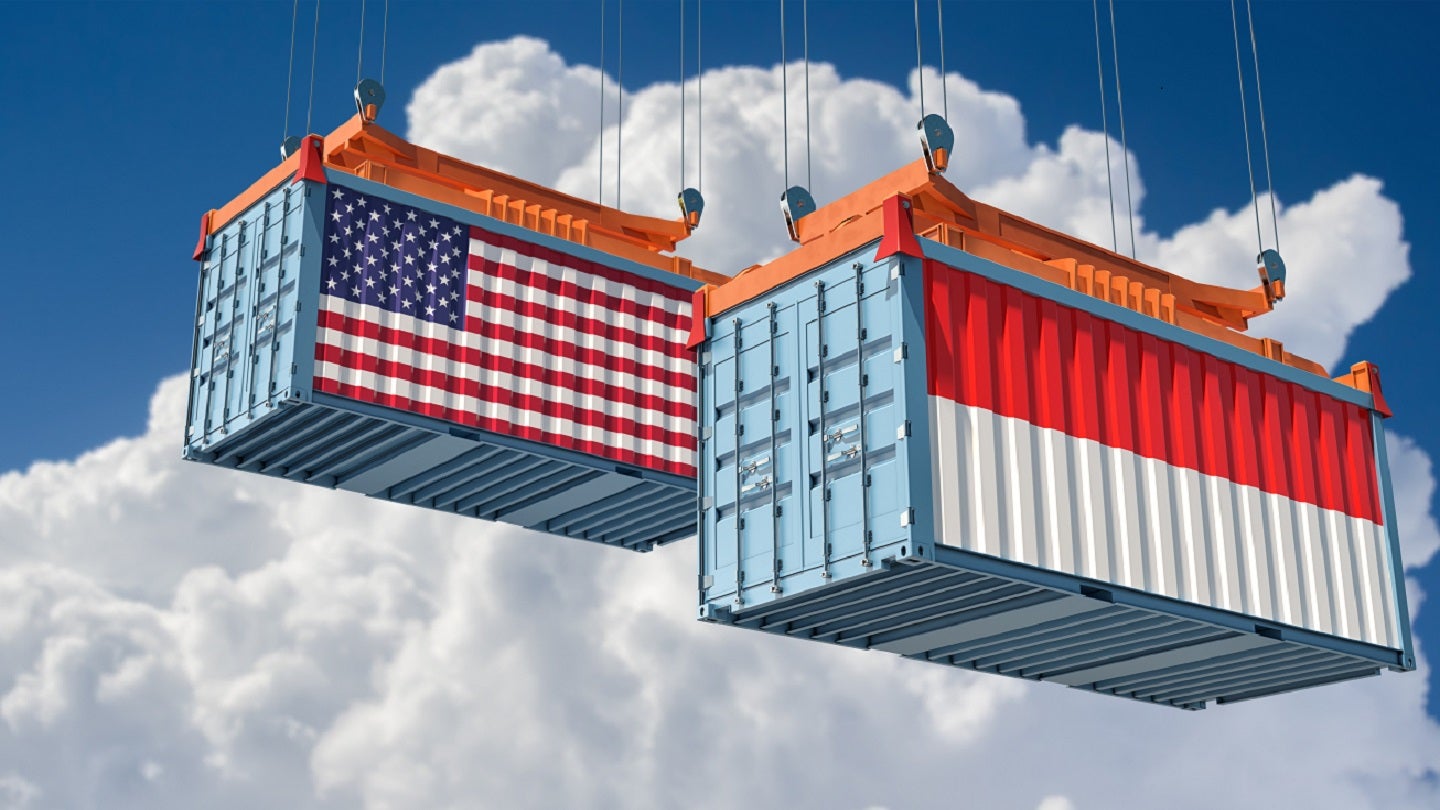

The United States and Indonesia have concluded a significant trade agreement that addresses longstanding concerns over tariffs, signaling a new chapter in their bilateral economic relationship. This deal, reached after months of negotiations, is seen as a strategic move to reinforce trade cooperation while resolving specific frictions that had affected the flow of goods between the two countries.
At the core of the agreement is a mutual understanding to eliminate or reduce certain tariffs that had become points of contention in recent years. For the United States, the concern centered around restricted market access and high import duties that limited the competitiveness of American exports in the Indonesian market. For Indonesia, retaliatory measures and trade pressures raised concerns about potential economic instability and reduced access to essential goods.
By resolving these issues through a negotiated settlement, both governments have demonstrated their commitment to fair trade principles and mutual benefit. The new framework aims to create a more balanced trade environment, facilitating smoother exchange of goods and services, while also promoting transparency in tariff-related policies.
Representatives from both nations referred to the pact as a “positive advancement” that enhances their enduring economic relationship. While detailed tariff categories impacted by the agreement were not completely revealed in the initial press releases, trade experts anticipate that the deal will encompass a variety of industries, such as agricultural items, manufactured products, and raw materials. These sectors had earlier faced tariff increases or non-tariff restrictions, which had hindered growth opportunities for businesses from both countries.
The agreement arises amid a period when the international trade landscape is encountering unpredictability because of evolving partnerships, regional economic strategies, and interruptions in supply chains. In this context, the joint effort of the United States and Indonesia to find common ground highlights the critical role of conversation and diplomatic efforts in sustaining trade equilibrium.
Indonesia, the largest economy in Southeast Asia, has increasingly positioned itself as a vital partner in global trade. Its abundant natural resources, growing middle class, and strategic geographic location make it an important hub for trade and investment. For the United States, maintaining strong trade relations with Indonesia supports broader objectives in the Indo-Pacific region, including economic resilience and strategic diversification.
The finalization of this tariff deal is anticipated to enhance investor trust, particularly for businesses aiming to grow their activities in Southeast Asia. Typically, diminished trade obstacles result in decreased expenses, better efficiency, and heightened competitiveness for exporters. In this scenario, U.S. firms in fields such as agriculture, technology, and energy could experience real advantages from better entry into the Indonesian market.
From an Indonesian viewpoint, the agreement offers enhanced economic adaptability. Reducing friction with a major global economy such as the United States may facilitate the attraction of international investments and bolster local sectors dependent on imported machinery, components, or raw resources. The administration has presented the deal as progress towards economic advancement and alignment with international trade norms.
Beyond the economic implications, the agreement carries political significance as well. Trade relations often reflect broader diplomatic ties, and successful negotiation of contentious issues can serve as a foundation for deeper cooperation in areas like infrastructure development, environmental policy, and regional security. In that context, this agreement could pave the way for expanded bilateral initiatives beyond trade.
Analysts have also pointed out that this agreement could act as an example for addressing analogous disagreements in other regions. Despite protectionist views remaining in certain areas globally, effective bilateral resolutions such as this highlight the power of negotiation over conflict. By tackling matters in a forward-thinking manner, both nations prevented tensions from rising and maintained a cooperative partnership that promotes enduring economic cooperation.
The reaction from the private industry has been cautiously hopeful. Trade groups in the two nations have expressed approval of the announcement, urging quick execution and detail clarification regarding the accord. They also highlighted the importance of continued discussions to maintain commerce that is just, clear, and beneficial for both sides. Numerous firms are currently assessing the effect of the new tariff arrangements on their supply chains, pricing plans, and export potential.
While the agreement is largely being viewed as a win-win outcome, experts stress that its success will depend on implementation and monitoring. Ensuring that the agreed-upon changes are enforced consistently will be crucial to maintaining trust between the two trading partners. Both governments are expected to establish mechanisms to track compliance and resolve future disputes promptly.
Here’s the revised HTML text:
The scheduling of the agreement could potentially affect each nation’s internal economic plans. In the United States, discussions about trade are central to conversations about job growth, the resurgence of manufacturing, and maintaining an edge on the global stage. Showing advancements in easing trade disputes reinforces themes of economic steadiness and leading roles worldwide. In Indonesia, the agreement is in sync with the administration’s objectives to enhance exports, allure international investments, and cement its role in worldwide supply networks.
For global markets, agreements like this offer reassurance that economic cooperation is still achievable in an increasingly fragmented landscape. While multilateral trade talks often face political and logistical hurdles, bilateral negotiations can produce timely, targeted solutions that address specific issues. The success of the US-Indonesia tariff resolution may encourage other countries to pursue similar paths toward trade normalization.
The latest tariff agreement involving the United States and Indonesia demonstrates a practical method for addressing economic issues. This agreement signifies a crucial advance in strengthening trade relations between the two nations, fostering commercial benefits, and ensuring stability in the region. As the countries put the deal into effect, it serves as a reminder that diplomacy and mutual regard are vital instruments for achieving enduring international trade.