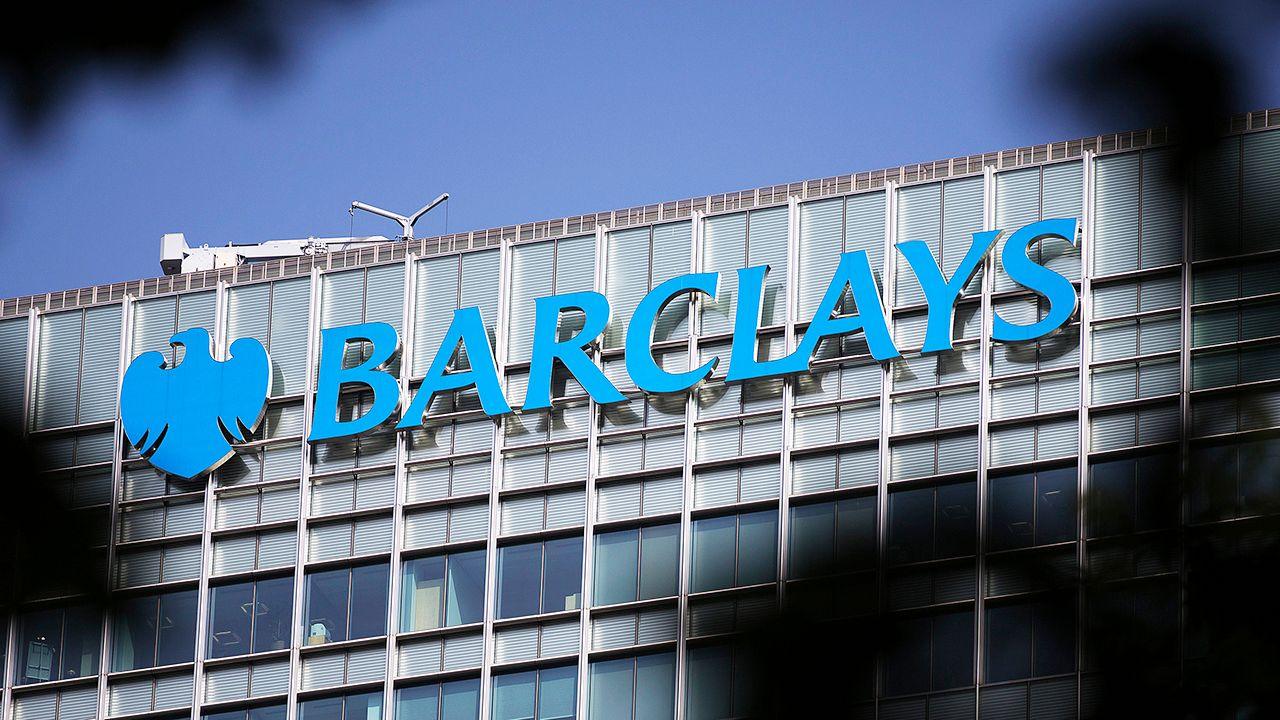

Barclays has been hit with a significant financial penalty following findings that the bank failed to adequately manage its exposure to financial crime risks. Regulatory authorities determined that weaknesses in the institution’s systems and oversight allowed for prolonged deficiencies in how it identified, monitored, and responded to potential criminal activity within its business operations. The fine underscores the growing pressure on financial institutions to tighten internal controls amid a global crackdown on illicit financial flows.
The penalty, which totals several million pounds, was issued by the UK’s Financial Conduct Authority (FCA) and reflects what the regulator described as «serious and prolonged» shortcomings in the bank’s anti-money laundering (AML) frameworks. In particular, the FCA pointed to Barclays’ handling of high-risk clients and its failure to apply sufficient scrutiny to transactions and customer profiles that should have triggered enhanced due diligence.
These failures, regulators stated, created vulnerabilities that could have been exploited for money laundering or other forms of financial crime. Although there is no public allegation that specific criminal transactions were carried out as a direct result of these weaknesses, the presence of such gaps was deemed to pose an unacceptable level of risk—especially for an institution of Barclays’ scale and influence.
The FCA’s findings are the result of a multi-year investigation into compliance practices within the bank’s investment and corporate banking divisions. Investigators cited examples where clients flagged as potentially high-risk were not subjected to the level of review required under UK law. In some cases, enhanced checks were delayed or inconsistently applied, raising concerns about the bank’s ability to meet its obligations under the UK’s Proceeds of Crime Act and the Money Laundering Regulations.
A representative from the FCA mentioned that although Barclays collaborated entirely during the inquiry, the magnitude and length of the detected shortcomings warranted a substantial financial penalty. They highlighted that the fine aims not only to ensure accountability for the bank but also to deliver a strong warning to the broader financial services sector about the vital role of proactive risk management and adherence to regulations.
Barclays has reacted by recognizing the results and pledging to keep investing in its compliance infrastructure. In a statement, the bank highlighted its efforts in recent years to revamp internal processes, improve employee training, and implement new technologies to better detect and prevent financial crime. Additionally, the bank noted leadership and governance changes as part of a wider plan to regain regulatory confidence.
Despite these assurances, critics argue that the penalty reflects deeper, systemic challenges within large financial institutions when it comes to combating financial crime. As global banking networks become more complex and digital transactions increasingly cross borders in real time, the risk of illicit finance grows—and so too does the need for sophisticated monitoring systems that can keep pace with emerging threats.
The Barclays case is not isolated. Over the past decade, numerous global banks have faced similar penalties for compliance failures related to money laundering, sanctions breaches, and other misconduct. Regulators in the UK, EU, and US have collectively imposed billions in fines, signaling a coordinated effort to hold institutions to higher standards of accountability.
What makes this case particularly noteworthy is the FCA’s emphasis on governance failures, not just technical lapses. The regulator pointed out that Barclays had access to ample resources and expertise, and therefore should have been in a stronger position to prevent such issues. This focus on leadership responsibility marks a shift in tone, suggesting that regulators may increasingly hold senior executives accountable for corporate failures related to compliance.
Barclays’ fine has also sparked discussions regarding the efficiency of self-regulation in the banking industry. Although many leading banks have internal audit teams and compliance departments in place, these initiatives occasionally fail to identify or address systemic issues. Some specialists have suggested stricter external controls, such as third-party audits and real-time monitoring tools, to support internal measures.
The fine also has broader implications for investor confidence and market perception. Although the penalty is unlikely to pose a material threat to Barclays’ financial health—given its size and profitability—it can still influence shareholder sentiment and reputational standing. In today’s financial landscape, a bank’s ability to manage risk is closely tied to its brand, and even isolated compliance failures can erode public trust.
In terms of regulation, the Barclays incident highlights the UK’s dedication to maintaining elevated standards in financial supervision. This is especially relevant in a post-Brexit context, as London strives to keep its status as a leading global financial center. Showing that substantial institutions will encounter repercussions for not adhering to regulatory requirements sends a clear message to both local and global markets.
Looking ahead, Barclays has committed to further advancing its risk frameworks. This includes implementing tools for artificial intelligence and machine learning to identify questionable actions. Additionally, the bank is dedicating resources to grow its compliance teams and perform consistent audits to make sure previously discovered gaps are managed and new risks are quickly pinpointed.
For industry observers, the case offers several key takeaways. First, financial crime risk management is no longer a back-office function—it is a strategic priority that requires board-level attention. Second, regulators are increasingly focused on culture and leadership, not just process failures. And third, technology alone cannot fix systemic issues unless accompanied by a culture of transparency, accountability, and continuous improvement.
Barclays’ multimillion-pound fine serves as a reminder that in the modern banking environment, robust financial crime prevention is both a legal necessity and a strategic imperative. As threats evolve and regulators sharpen their focus, financial institutions must adapt quickly—not only to avoid penalties, but to protect their reputations, customers, and the integrity of the financial system as a whole.