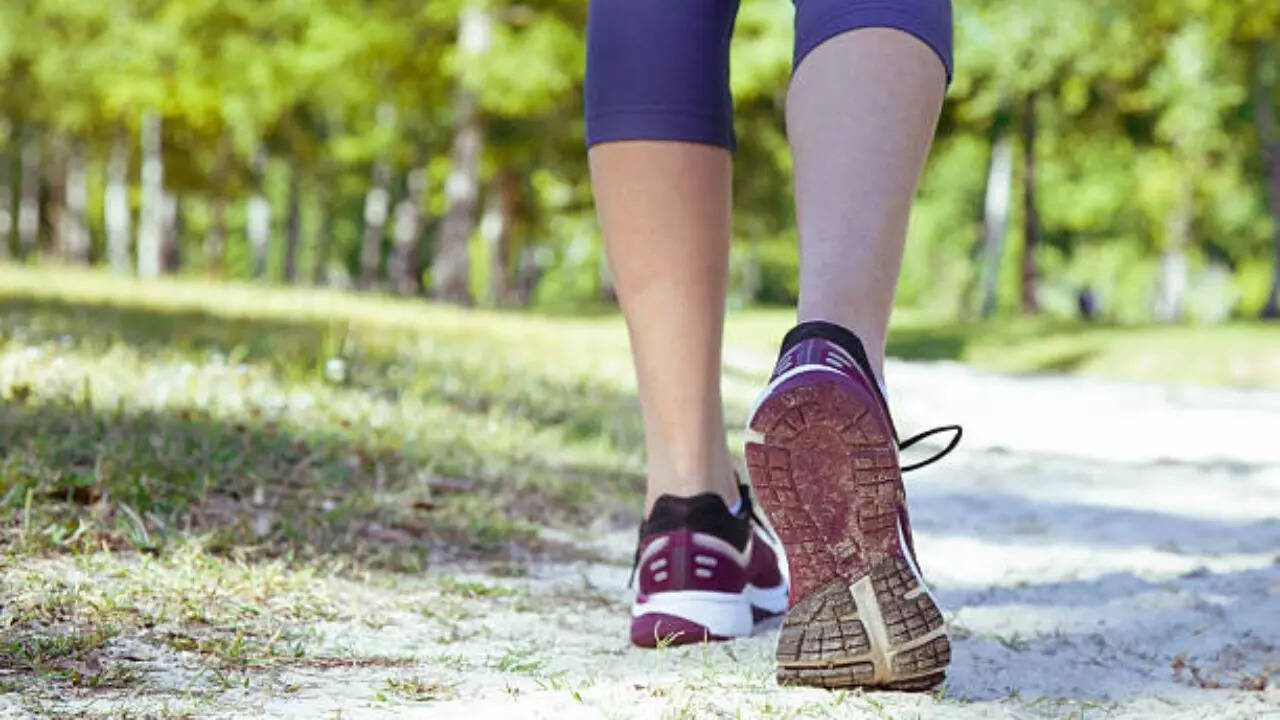

Osteoarthritis ranks among the most prevalent joint issues globally, impacting millions as they grow older. Marked by the slow degradation of cartilage, it commonly results in rigidity, inflammation, and discomfort that hampers daily tasks. Standard treatments usually involve drugs, physical therapy, or, in severe cases, surgery. However, recent studies indicate that even a slight change in one’s walking style could substantially reduce pain. This straightforward adaptation provides an easy and non-invasive method for those seeking effective strategies to handle their condition.
Walking is a fundamental ability that many people overlook, but the way each step is taken affects how weight and force are allocated across the joints. For those with osteoarthritis in their knees, hips, or ankles, incorrect walking habits can exacerbate symptoms and speed up the deterioration of the joints. Scientists exploring the relationship between walking patterns and alleviation of pain have discovered that deliberately altering the length of the stride, positioning of the feet, or posture might change pressure distribution, helping to lessen stress.
One of the most promising findings is that a minor change in foot angle can shift the load away from the damaged areas of the knee joint. By slightly turning the foot inward or outward during walking, depending on the individual’s condition, patients may experience reduced pain during movement. This adjustment can also slow the progression of cartilage damage, as it prevents the same parts of the joint from absorbing repetitive stress. Physical therapists are increasingly teaching these methods to patients as part of customized rehabilitation programs.
Beyond the angle of the foot, modifying the length of one’s steps can also have an impact. Individuals who take shorter, more measured strides might experience reduced knee stress, which can lessen pain during extended walking sessions. On the other hand, some individuals may gain from extending their stride to enhance both balance and alignment. The essential factor is personal evaluation, acknowledging that each individual’s anatomy and condition are distinct. Personalized adjustments can turn walking from a painful chore into a manageable and potentially therapeutic experience.
These findings are particularly important because osteoarthritis does not have a cure, and many patients are left managing symptoms rather than reversing the condition. For some, medication offers temporary relief but comes with potential side effects. Surgery, such as joint replacement, can be highly effective but is not always an option due to age, health risks, or financial barriers. In this context, learning to adjust something as simple as walking technique represents a cost-effective and low-risk approach that empowers patients to take control of their mobility.
Reasons to adjust one’s walking style go beyond just alleviating joint discomfort. When one’s step is positioned correctly, it lessens the burden on muscles and ligaments that support the joints, which frequently become overworked when joints are not as strong. Spreading out the pressure uniformly helps the body to maintain better balance, thus avoiding falls and other possible injuries. With continued practice, individuals might notice gains in stamina, self-assurance, and their general living standard. This method adopts a comprehensive view, addressing both the bodily and mental components of managing osteoarthritis.
Doctors and therapists emphasize that these adjustments should be made carefully and ideally under professional supervision. Attempting to change gait patterns without guidance can lead to new imbalances or discomfort in other areas of the body. For example, shifting weight incorrectly might ease knee pain but increase stress on the hips or lower back. This is why health experts recommend gait analysis, often performed in clinics with specialized equipment, to identify which changes are most beneficial for a given patient.
Technology is starting to be a factor in expanding access to gait training. Wearable gadgets and mobile apps currently enable individuals to track their walking habits continuously. These devices can offer insights into stride length, pace, and how feet are positioned, facilitating the adoption of improved walking techniques beyond medical environments. As these innovations become more widely available, they might contribute to making gait alteration a typical component of osteoarthritis management.
Importantly, modifying walking habits is intended to supplement, not substitute, other treatment options. Pairing gait training with low-impact activities like swimming, cycling, or yoga can additionally help diminish stress on joints while enhancing the muscles needed for movement. Moreover, keeping a healthy weight remains one of the most successful methods for alleviating pressure on joints affected by arthritis. Collectively, these lifestyle adjustments form a holistic approach to handling osteoarthritis without depending solely on medical treatments.
The mental advantages of reclaiming one’s ability to move should not be overlooked. Osteoarthritis frequently causes people to feel restricted, discouraged, or reliant on others. Learning that something as simple as modifying their gait can alleviate discomfort fosters a sense of empowerment. Patients express feeling motivated to remain active, promoting general health and decelerating the decline connected with inactive ways of living. Thus, a minor physical adjustment can lead to extensive enhancement of well-being.
Although the primary attention has been on knee osteoarthritis, scientists think that changing the way one walks might also alleviate discomfort in other joints. Hip and ankle osteoarthritis, while not as prevalent, might also improve through improved weight distribution via walking modifications. Research is ongoing to discover the most effective approaches for various joints, but initial findings indicate that diverting pressure from injured areas is broadly effective. This offers optimism that an uncomplicated technique could enhance the quality of life for individuals with different types of arthritis.
Although there is a sense of hope, specialists warn that not all patients will observe significant outcomes. The intensity of osteoarthritis differs greatly, and those with severe joint deterioration might still need either medical or surgical solutions. Nevertheless, even in serious conditions, gait retraining can offer partial relief and aid in recuperation after medical procedures. For those recently diagnosed or experiencing mild to moderate symptoms, incorporating walking adaptations early on can potentially postpone the necessity for more invasive treatments in the future.
Looking to the future, integrating gait modification techniques into public health messaging could reduce the overall burden of osteoarthritis. With healthcare systems facing increasing demand due to aging populations, cost-effective interventions that patients can apply themselves are highly valuable. Educating the public about how small adjustments in daily activities can protect joint health may help reduce the prevalence of disability associated with the condition. Public awareness campaigns, coupled with advances in digital monitoring, could make gait training a mainstream component of arthritis care.
The statement that a small adjustment in walking technique can alleviate osteoarthritis discomfort emphasizes the promise of simple, daily solutions in healthcare. Rather than depending exclusively on drugs or surgical alternatives, patients can incorporate their own actions into the therapeutic process. By collaborating with specialists, utilizing current technology, and maintaining regularity, individuals have a chance to regain freedom of movement. In a society where long-term ailments frequently seem insurmountable, finding that ease might be as close as just one stride instills hope and strength.